
Underground vs. Aboveground Propane Tanks: Which Is Right for Your Property?
Selecting an efficient, reliable energy source is a critical decision for homeowners and commercial property managers seeking reliable fuel for space heating, hot water generation, cooking appliances, and emergency power backup. Propane stands out as an exceptionally clean, highly versatile, and cost-effective fuel alternative, particularly for properties situated outside municipal natural gas utility networks. When integrating this versatile fuel into your property, one of the most fundamental infrastructure decisions involves choosing between an underground storage vessel and an aboveground installation. Both storage configurations deliver clean-burning fuel safely to your appliances, yet they differ significantly regarding visual impact, installation complexity, site requirements, physical protection, and overall upfront capital investment.
Evaluating your specific property layout, soil composition, aesthetic preferences, and budget parameters helps determine which storage configuration aligns best with your long-term energy goals. Understanding how each option functions under varying environmental conditions ensures that your fuel storage system remains safe, accessible, and fully operational throughout the year. The widespread reliance on this efficient energy source underscores its vital role in modern residential comfort; according to Consult Energy, 11.9 million households use propane for water or space heating, with 5.8 million using it primarily for space heating. Partnering with certified fuel specialists ensures that your installation complies with strict local safety codes, preserves property aesthetics, and guarantees an uninterrupted energy supply for all your household needs.
Assessing Visual Impact and Property Aesthetics
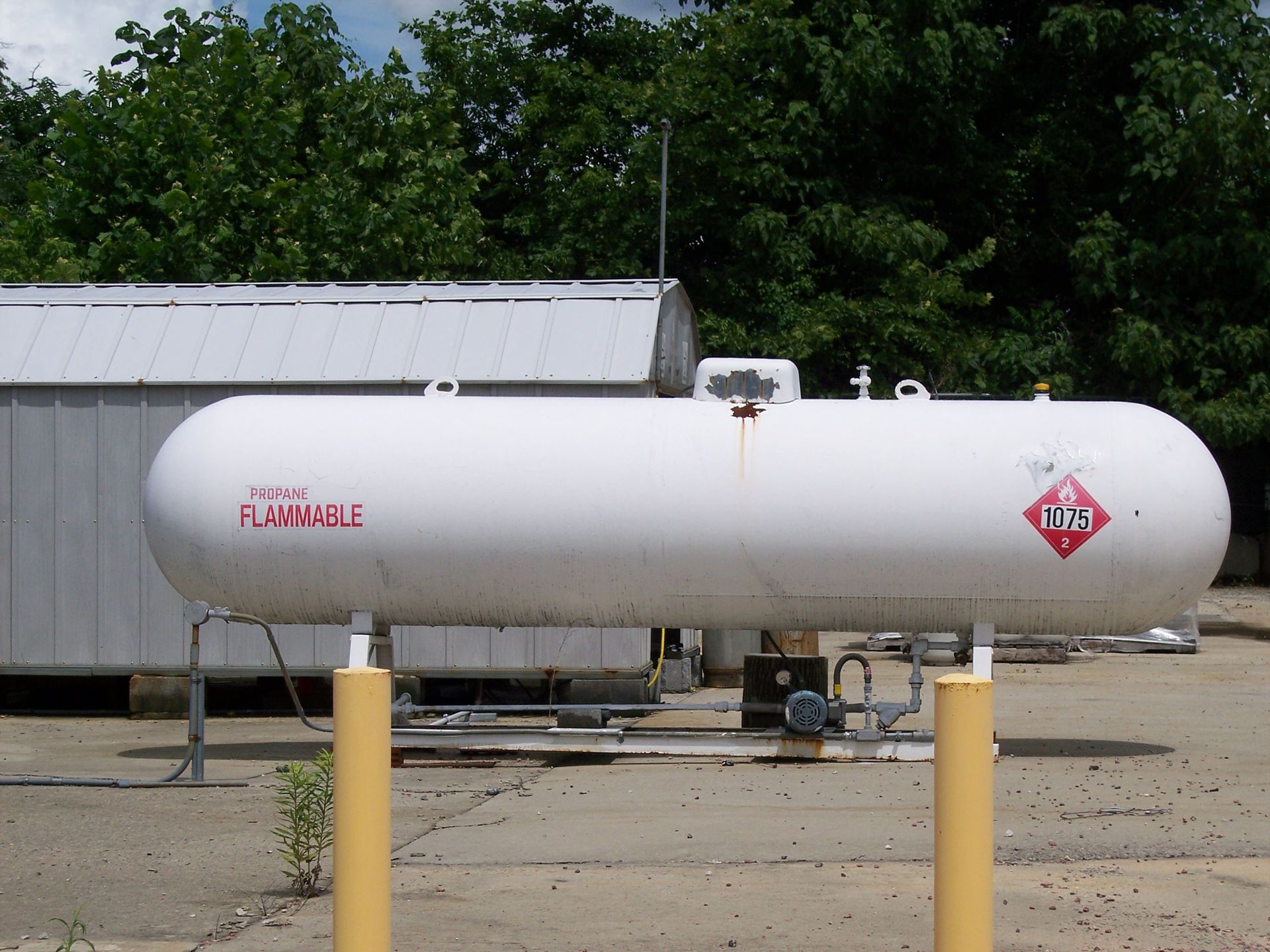
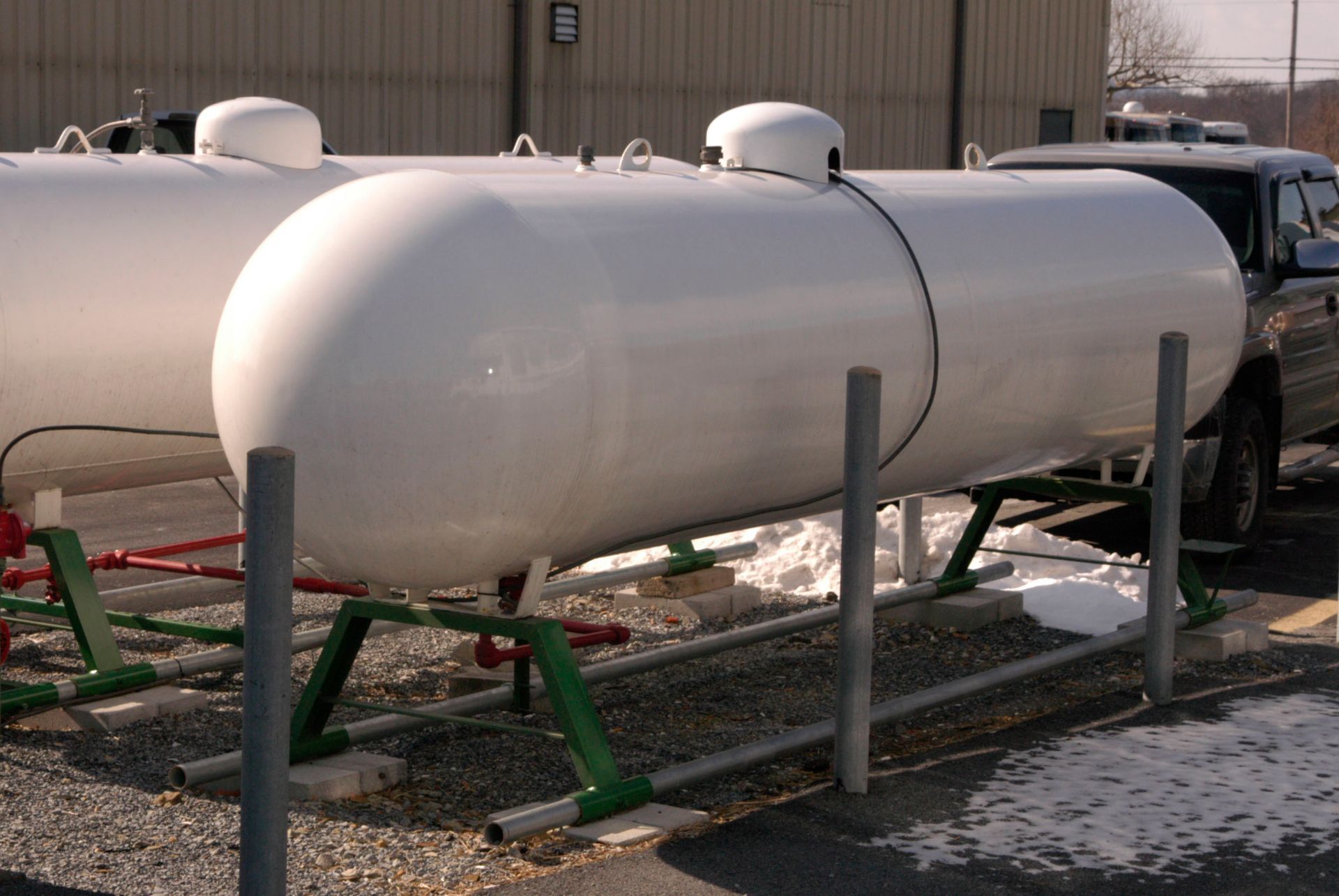
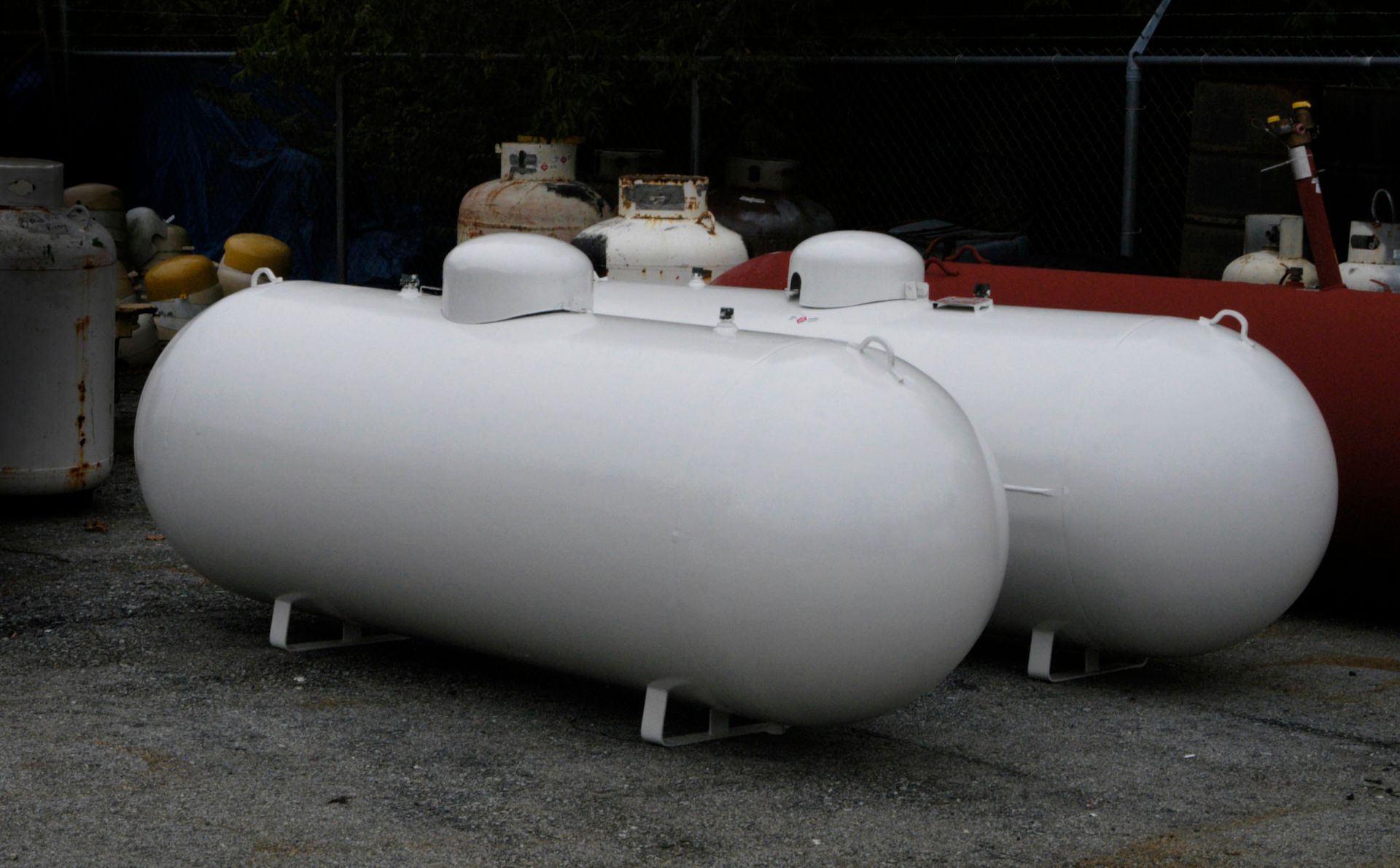
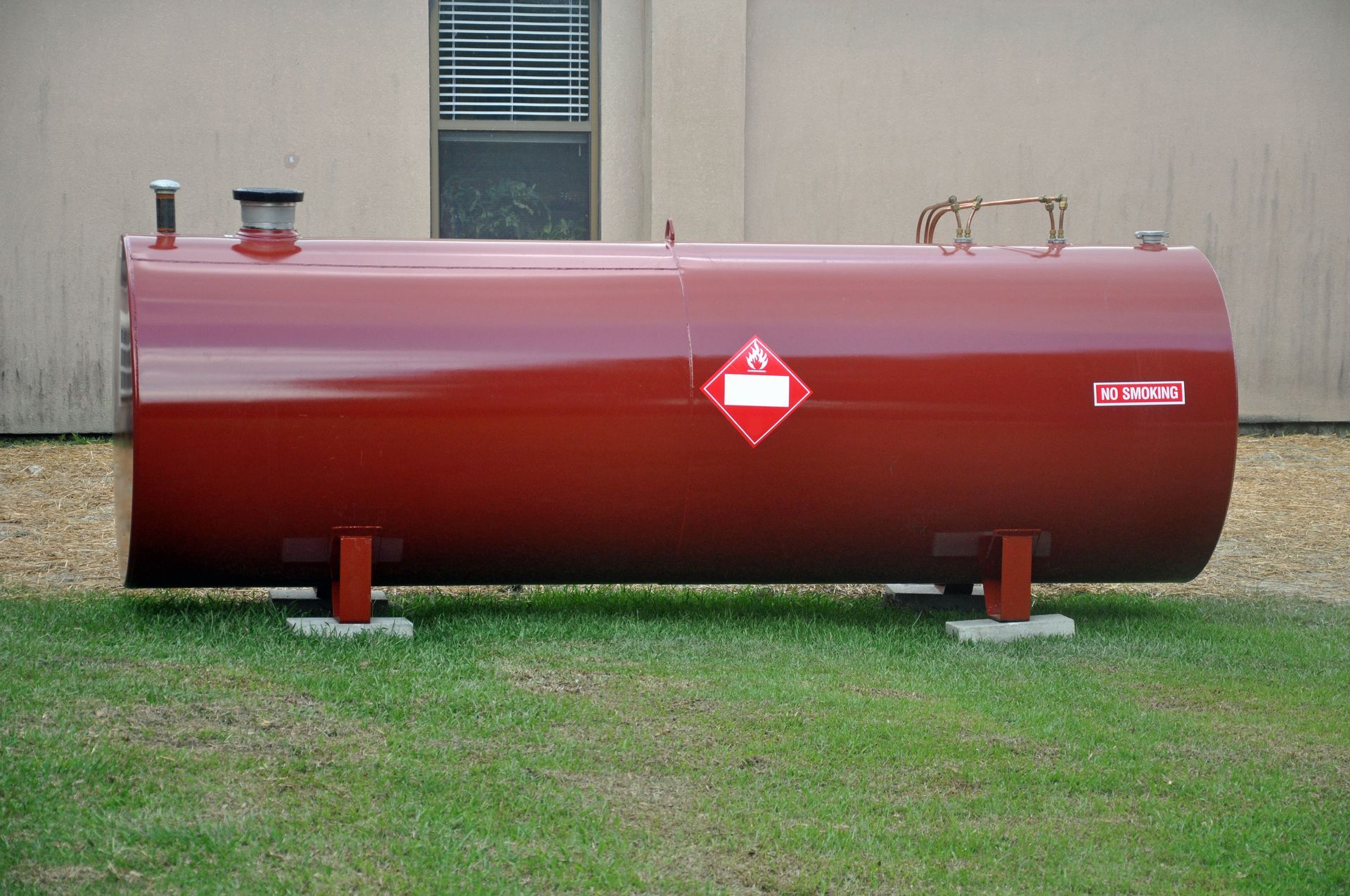
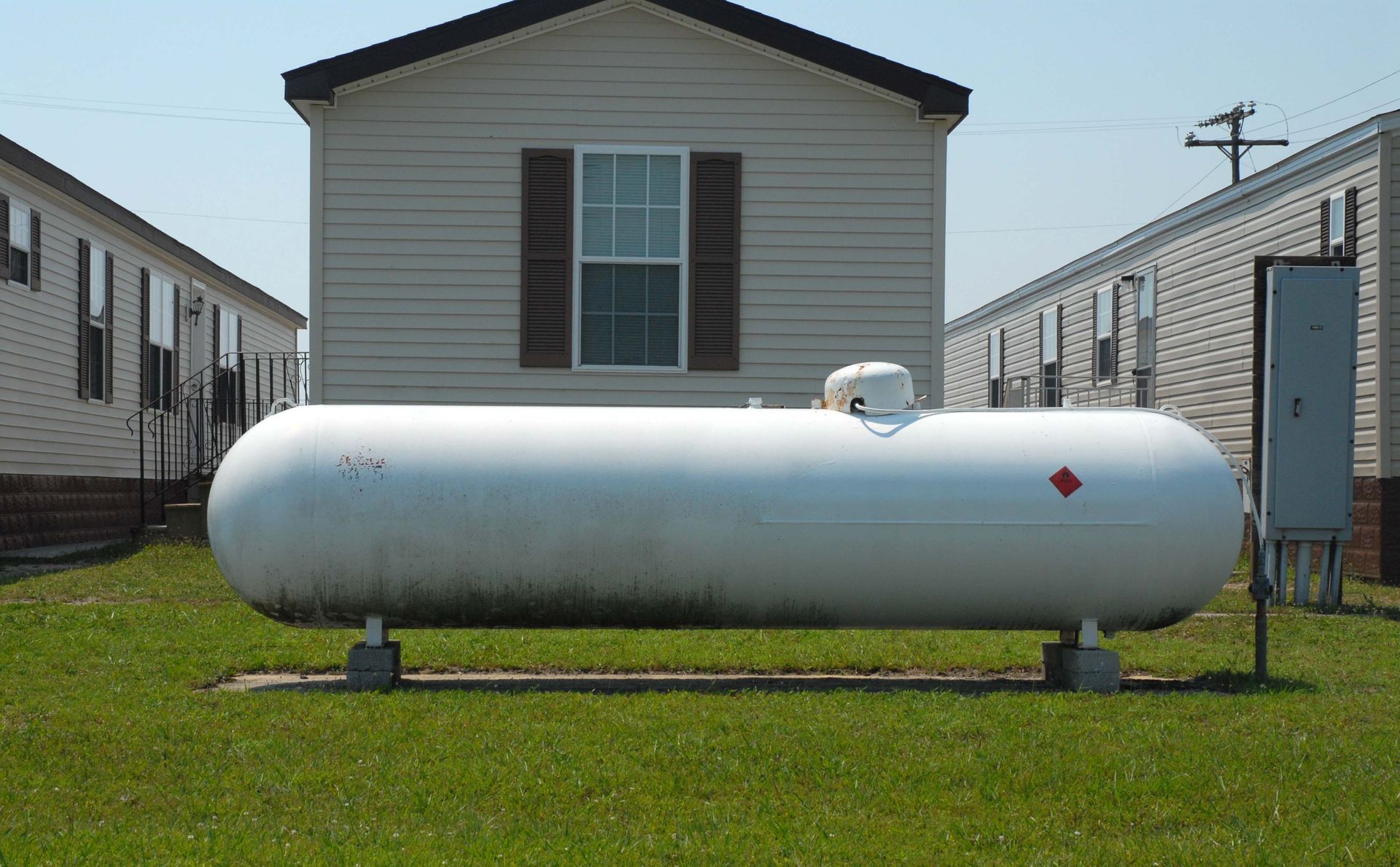
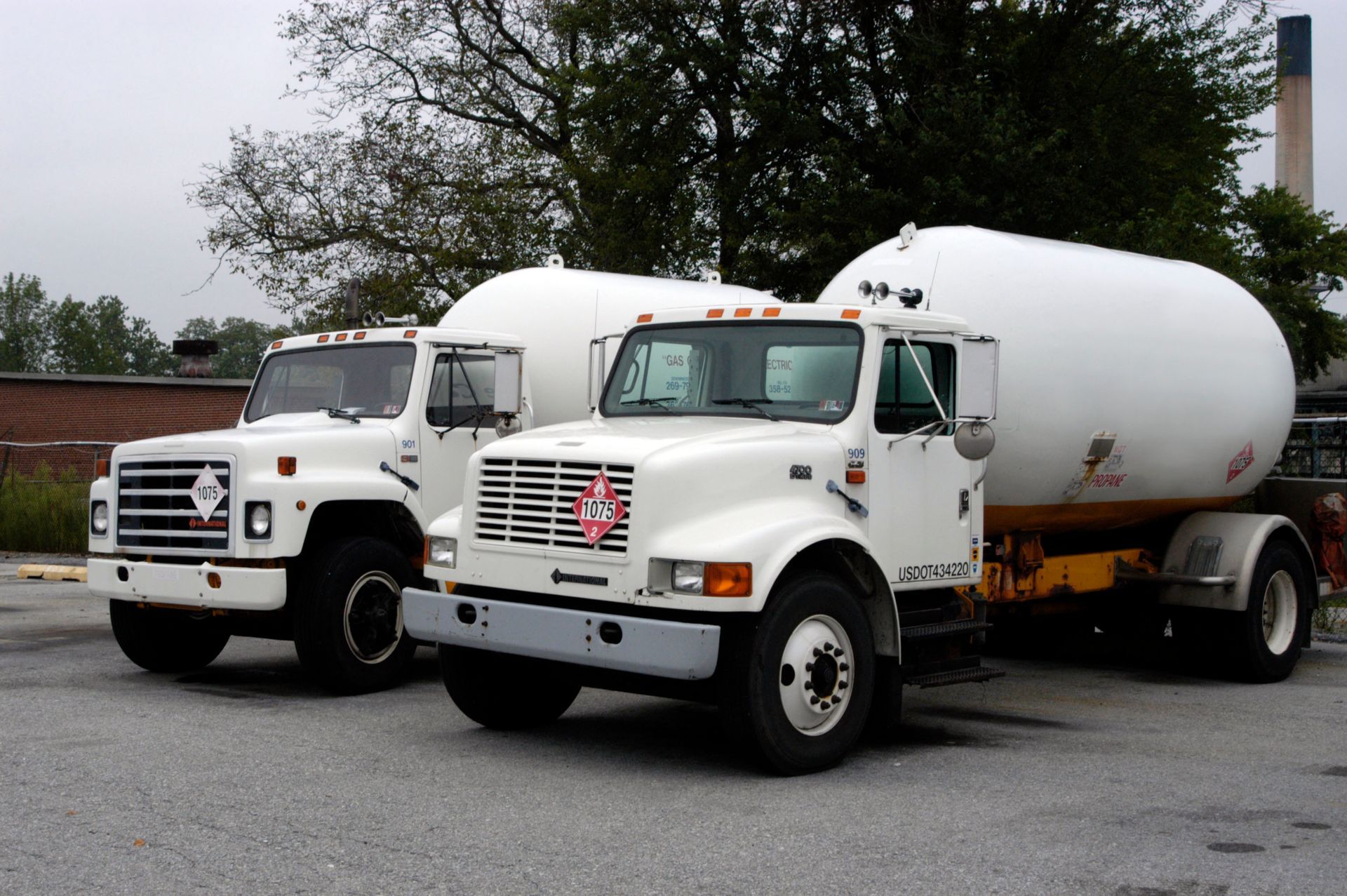
Preserving the visual appeal and landscape design of your property often serves as the primary deciding factor when choosing a fuel storage solution. Aboveground installations place the entire cylindrical steel vessel directly on a concrete pad within sight, which can disrupt lawn aesthetics, obscure garden views, or clash with exterior home architecture. While strategic fencing, decorative lattice panels, or tall shrubbery can conceal surface vessels, these barriers must maintain specific clearance distances to comply with local safety regulations and allow technician access during refilling operations.
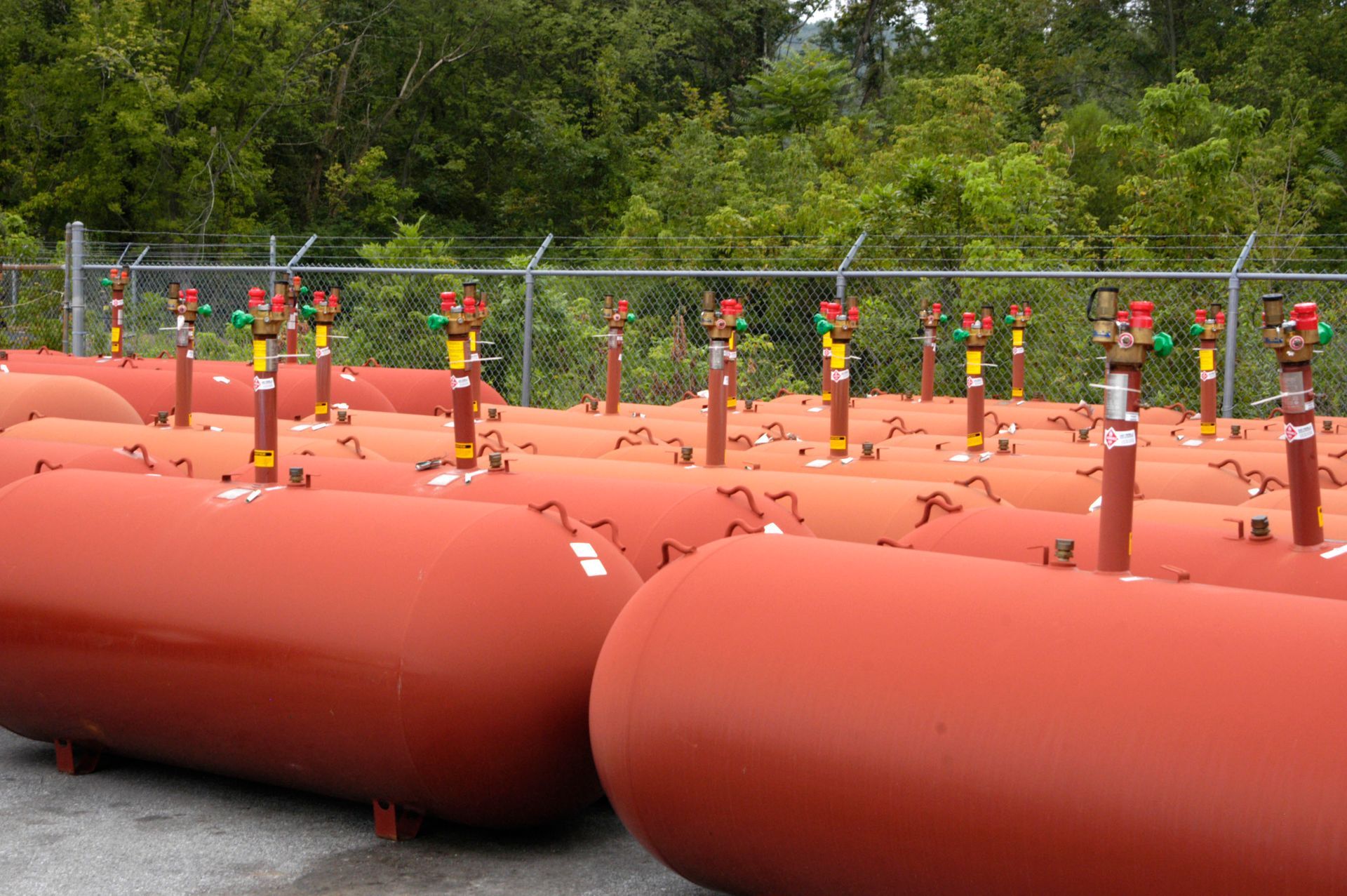
In contrast, subterranean fuel storage offers a virtually invisible energy footprint across your yard. The entire vessel is buried beneath the lawn, leaving only a low-profile, weather-resistant dome casing exposed at ground level for refueling, pressure monitoring, and routine safety inspections. This discreet access dome can easily be blended into flower beds or subtle garden features. Choosing subterranean propane tanks preserves unobstructed lawn vistas, enhances residential curb appeal, and protects your property's overall market presentation without compromising fuel capacity or system accessibility.
Evaluating Initial Installation Requirements and Costs
Analyzing the financial commitment and site preparation required for each storage method reveals significant differences in upfront capital outlay. Installing a surface storage vessel is a straightforward, highly economical procedure requiring minimal landscape disruption. Technicians simply set a stable concrete pad, position the vessel, connect the supply line, and perform pressure safety tests. This basic process minimizes excavation labor, reduces heavy equipment needs, and allows for rapid system commissioning.
Conversely, subterranean vessel placement demands extensive site preparation, specialized machinery, and meticulous engineering protocols. Contractors must dig a deep trench, lay specialized backfill material to protect the vessel's exterior coating, install anti-buoyancy anchoring systems in high water table areas, and connect sacrificial anode rods to prevent electrochemical corrosion. These additional labor requirements, heavy equipment rentals, and specialized anti-corrosion components increase initial installation expenses. However, many property owners find that the aesthetic preservation and protection from environmental elements justify the higher upfront investment in underground propane tanks over time.
Comparing Weather Resistance and Environmental Protection
Protecting fuel infrastructure against extreme weather events and harsh environmental hazards is vital for maintaining an uninterrupted residential energy supply. Surface vessels remain constantly exposed to ambient atmospheric conditions, including freezing winter temperatures, severe blizzards, intense summer sun exposure, high winds, falling tree branches, and potential vehicle impacts. Extreme cold weather can lower internal tank pressure, potentially restricting fuel flow to high-demand heating appliances during severe winter freezes.
Subterranean storage leverages the natural thermal insulation of the earth to maintain stable fuel temperatures year-round. Deep soil layers protect the buried vessel from freezing ambient air, ensuring consistent internal pressure and smooth fuel delivery even during record-breaking cold snaps. Furthermore, subterranean placement shields the steel vessel from windstorm damage, falling debris, extreme summer heat, and accidental physical impacts. Subterranean propane tanks offer superior physical protection, making them an exceptionally resilient option for properties located in severe weather zones.
Analyzing Maintenance Schedules and Servicing Access
Maintaining fuel storage infrastructure requires routine mechanical checks, valve inspections, pressure monitoring, and periodic structural safety testing. Surface installations offer immediate, unhindered physical access to every portion of the vessel, including lower seams, legs, shut-off valves, and regulator assemblies. Fuel delivery drivers and service technicians can inspect the entire exterior shell for surface rust, paint degradation, or physical damage in seconds, making routine maintenance and safety audits simple and efficient.
Subterranean systems require specialized maintenance protocols due to their hidden environment. While the accessible surface dome houses the primary fill valve, pressure gauge, and regulator assembly for easy refueling, inspecting the buried steel shell requires specialized electronic monitoring. Technicians must regularly test the sacrificial anode protection system to ensure the buried metal shell remains safe from soil moisture corrosion. Choosing subterranean propane tanks involves scheduling periodic cathodic protection audits to guarantee long-term structural integrity beneath your lawn.
Navigating Site Constraints and Soil Conditions
Determining the ideal storage configuration for your property requires evaluating physical lot boundaries, subterranean utility lines, high water tables, and underlying geological conditions. Surface installations offer immense placement flexibility, requiring only standard safety clearance distances from building openings, property lines, and potential ignition sources. They can be installed on rocky terrain or sites with shallow bedrock where digging deep trenches is financially or physically impractical.
Subterranean installations face stricter environmental and geological limitations. Sites with shallow bedrock, heavy clay, highly acidic soil, or high groundwater levels present significant installation challenges. High water tables require heavy concrete anchoring pads to prevent buried vessels from floating upward during heavy rain events, while acidic soils accelerate metal corrosion without advanced cathodic protection. Conducting a professional site evaluation ensures that your chosen location supports underground propane tanks safely while complying with local municipal set-back codes and environmental protection standards.
At Mountain Country Propane, we are deeply committed to powering your home, protecting your family's comfort, and delivering exceptional fuel services through superior technical expertise, rapid delivery response, and comprehensive equipment care. Our team of certified technicians, master installers, and energy specialists brings deep industry knowledge, state-of-the-art safety tools, and meticulous attention to detail to every residential and commercial project we execute across our community. We take immense pride in evaluating your unique property layout, assessing specific energy demands, and delivering customized storage solutions, precision line installations, and reliable fuel delivery schedules that withstand severe winter weather. Furthermore, our specialists prioritize clear, honest communication throughout every step of your project, guiding you from initial site evaluation through final safety testing and system calibration. We carefully select heavy-duty, code-compliant storage vessels, high-performance regulators, and advanced monitoring systems that prevent fuel interruptions, resist environmental wear, and optimize overall energy efficiency. By tailoring every service plan to match your operational needs and budget parameters, our crew ensures a seamless, stress-free experience that delivers lasting comfort and complete peace of mind. Contact us today to schedule your comprehensive site evaluation and discover how our dedicated team can elevate your property's energy infrastructure.
Share On: