
Planning a Propane System? Supply Is Expected to Grow
For homeowners and businesses considering a new propane system, understanding broader supply trends can be an important part of planning. Propane is used for heating, cooking, water heating, agricultural applications, and other energy needs, making dependable access to fuel an important consideration when selecting equipment and estimating ongoing expenses.
Current production trends point toward a growing domestic propane supply. According to the U.S. Energy Information Administration (EIA), U.S. natural gas plant field production of propane increased from about 637 million barrels in 2021 to nearly 839 million barrels in 2025. The larger supply picture may affect storage, pricing, transportation, and propane delivery in the years ahead.
For anyone planning a propane system, these developments provide useful context. However, supply growth does not eliminate the need for proper system design, storage planning, and communication with a fuel provider.
What Factors Are Contributing to the Growth in Propane Supply?
One of the primary factors behind growing propane availability is increased production of natural gas liquids. Propane is recovered during natural gas processing, meaning changes in natural gas production can influence the amount of propane entering the market.
According to the EIA, natural gas liquids production has risen substantially in recent years. Total U.S. natural gas plant field production of natural gas liquids increased from about 1.98 billion barrels in 2021 to approximately 2.73 billion barrels in 2025. Propane production followed a similar upward trend during that period.
The development of liquids-rich natural gas resources has contributed to this growth. Producers have increasingly targeted areas where natural gas contains valuable liquids that can be separated and marketed. This creates additional propane supplies alongside the production of other natural gas liquids.
Demand also plays a role. Propane is used domestically for heating and other applications, while international markets consume propane for heating and as a petrochemical feedstock. The EIA reported that U.S. propane exports averaged a record 1.8 million barrels per day in 2025.
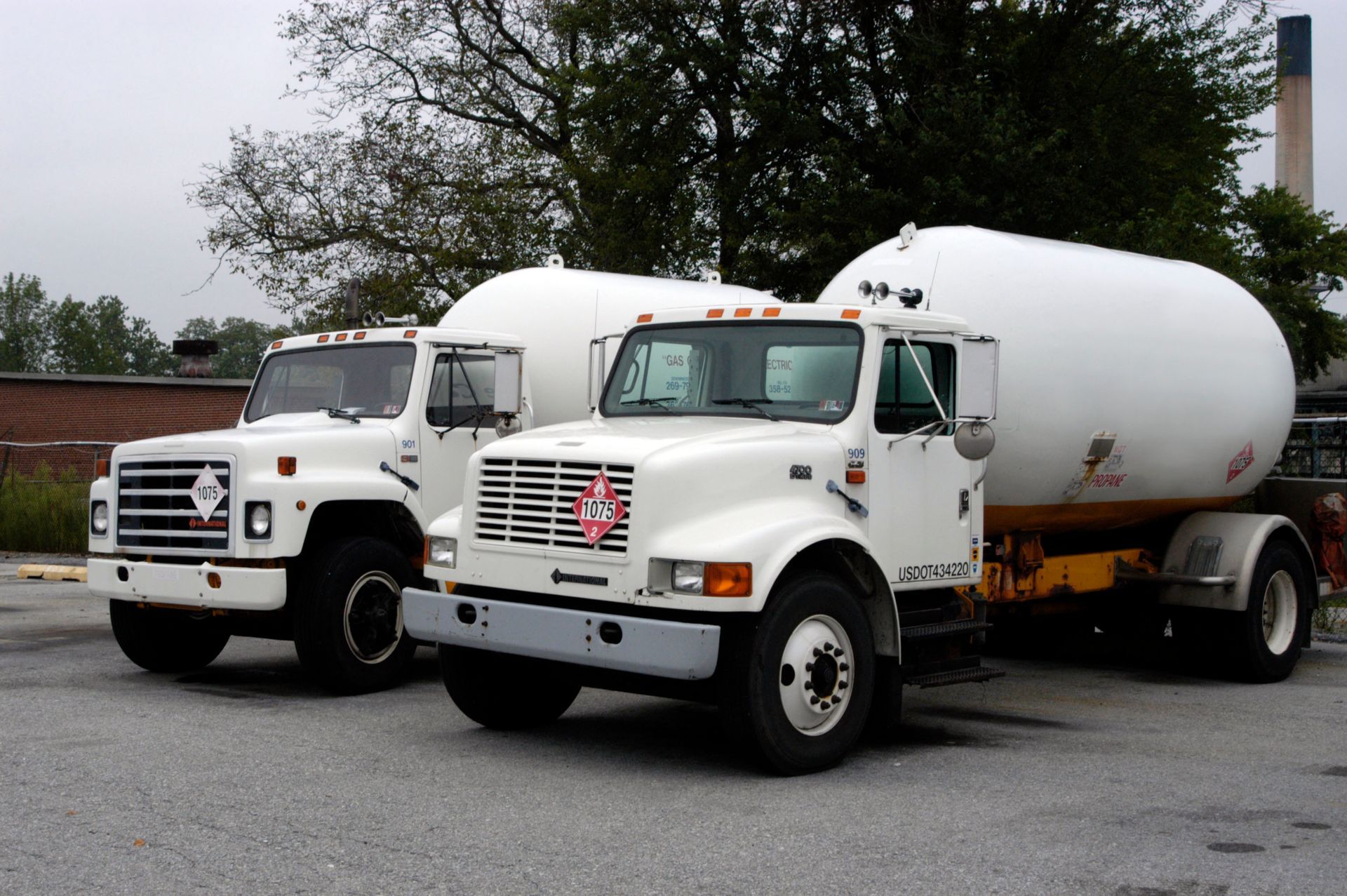
These trends can support a larger overall market, giving suppliers more fuel to work with as they coordinate propane delivery for residential, commercial, agricultural, and industrial customers.
How Does Increased Supply Affect Propane Delivery Reliability?
A growing supply does not automatically guarantee that every customer will receive fuel without interruption. Propane delivery depends on more than production volumes. Transportation networks, storage capacity, weather, regional demand, infrastructure, and supplier logistics can all influence availability.
Still, increased production can provide a stronger foundation for the market. When more propane is available domestically, suppliers have greater volumes moving through the distribution system. That can give the market additional flexibility when demand changes.
Seasonal demand remains particularly important. Cold weather can increase propane consumption as households and businesses rely more heavily on heating systems. Customers who wait until their tanks are nearly empty may have fewer options during periods of unusually high demand.
For this reason, planning ahead remains important even when supply projections are favorable. Customers should understand their expected consumption and determine how often propane delivery may be necessary. Tank size can also affect how frequently fuel needs to be replenished.
Monitoring tank levels and establishing a delivery schedule can help reduce the possibility of running low. Automatic delivery programs may also be available depending on the supplier and customer requirements.
What Are the Cost Implications of Growing Propane Supply for Consumers?
Supply is one factor that can influence propane prices, but it is not the only one. Consumer costs can also be affected by weather, transportation expenses, regional demand, storage levels, international markets, and broader energy conditions.
Increased domestic production can potentially put downward pressure on prices when supply grows faster than demand. However, propane is traded in interconnected markets, and strong demand from other regions can influence domestic pricing as well.
The record level of U.S. propane exports in 2025 illustrates the importance of international demand. The EIA reported that propane exports increased to an average of 1.8 million barrels per day that year, with Asia among the major destinations.
For consumers, this means a growing supply should be viewed as a favorable market trend rather than a promise of lower bills. When comparing propane systems, it can be useful to consider both equipment efficiency and anticipated fuel consumption.
The cost of propane delivery should also be considered as part of the overall operating budget. Delivery charges, tank ownership or rental arrangements, minimum purchase requirements, and seasonal pricing policies can vary by supplier. Asking about these details before installing a system can make future expenses easier to estimate.
How Should You Plan Your Propane System With Emerging Supply Trends?
A growing propane market can provide a positive backdrop for people considering propane, but system planning should focus on the specific needs of the property.
Start by estimating the appliances and equipment that will use propane. A home relying on propane only for cooking may have substantially different fuel requirements than a property using propane for heating, water heating, clothes drying, and backup power.
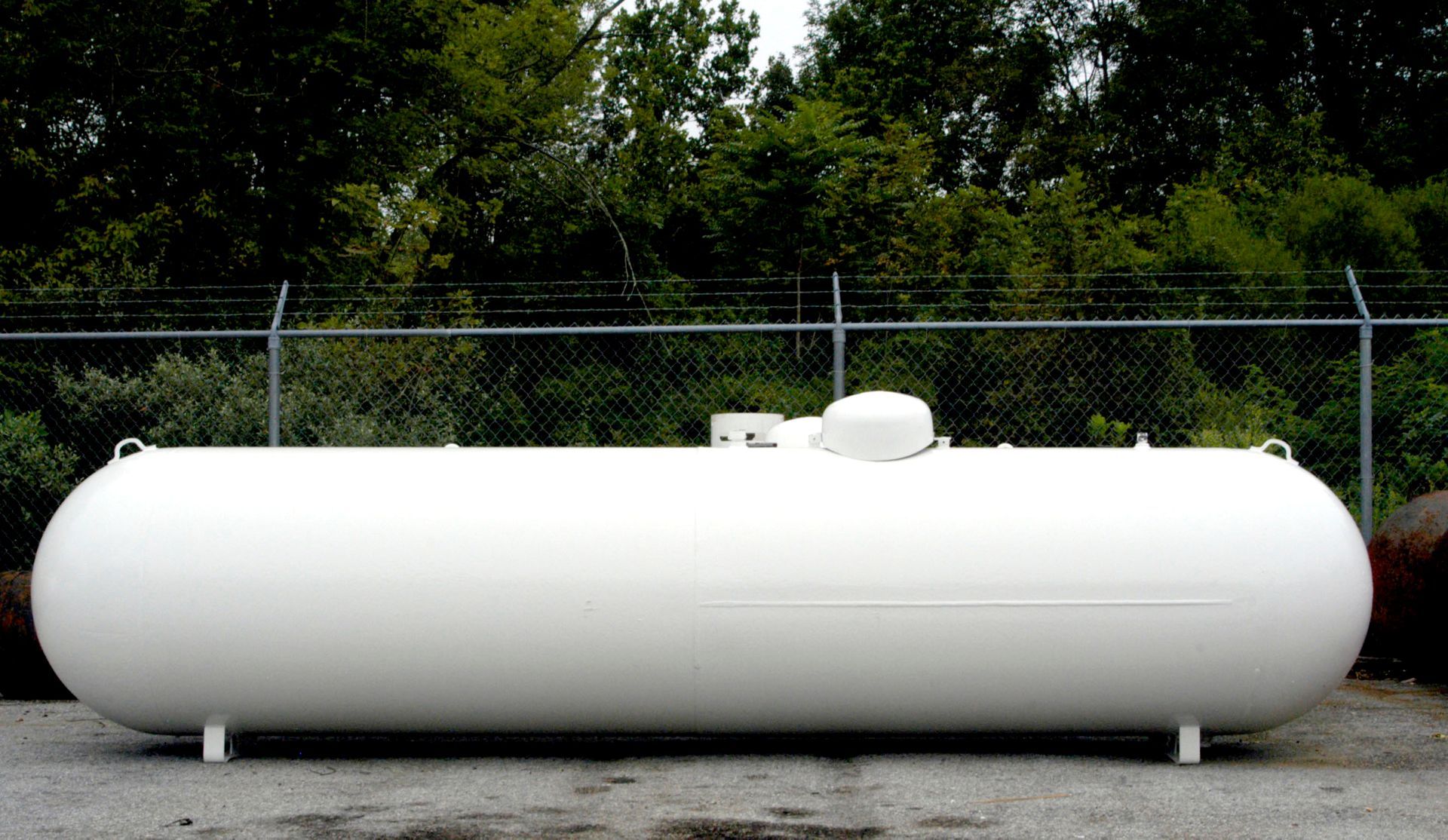
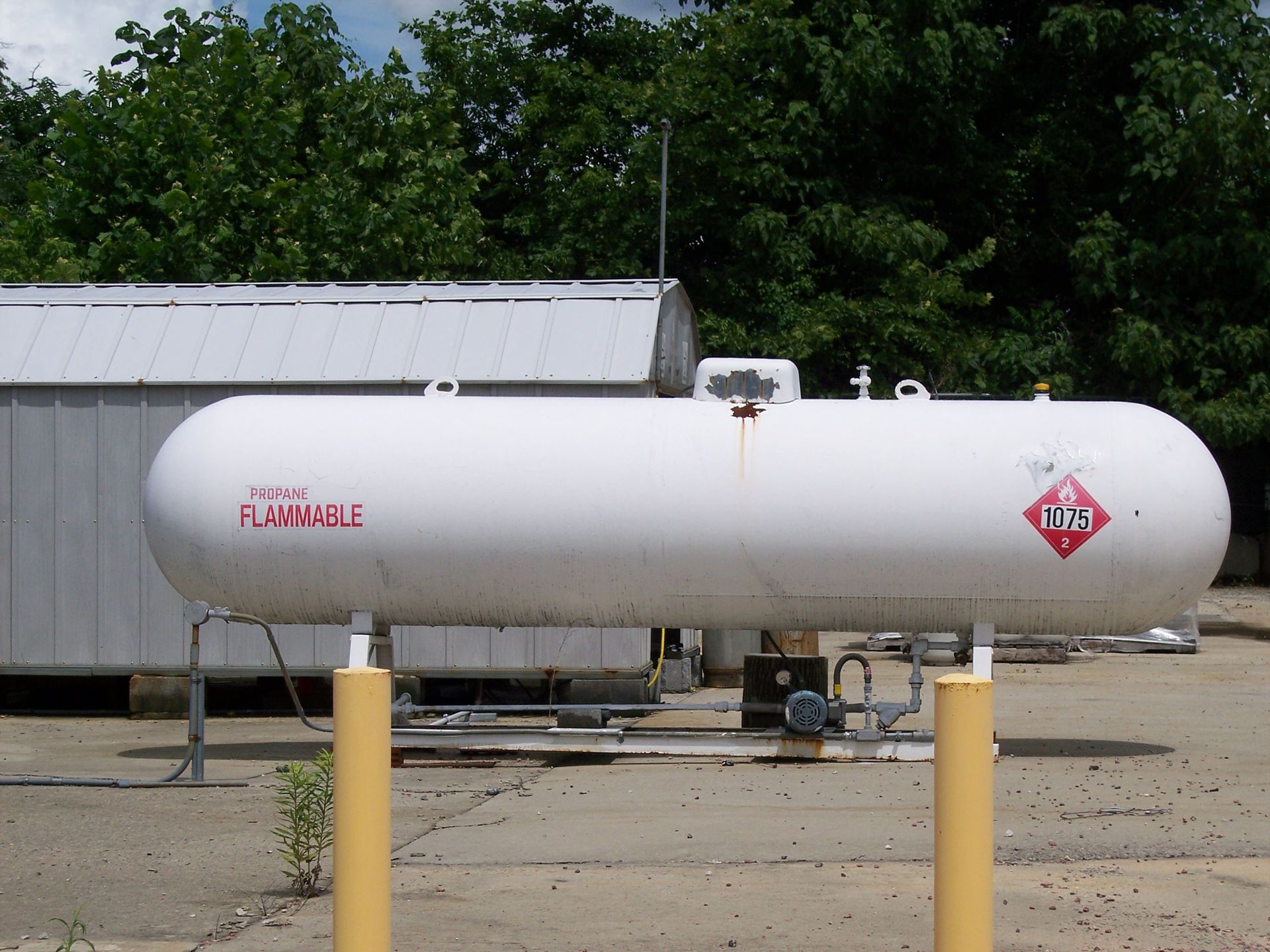
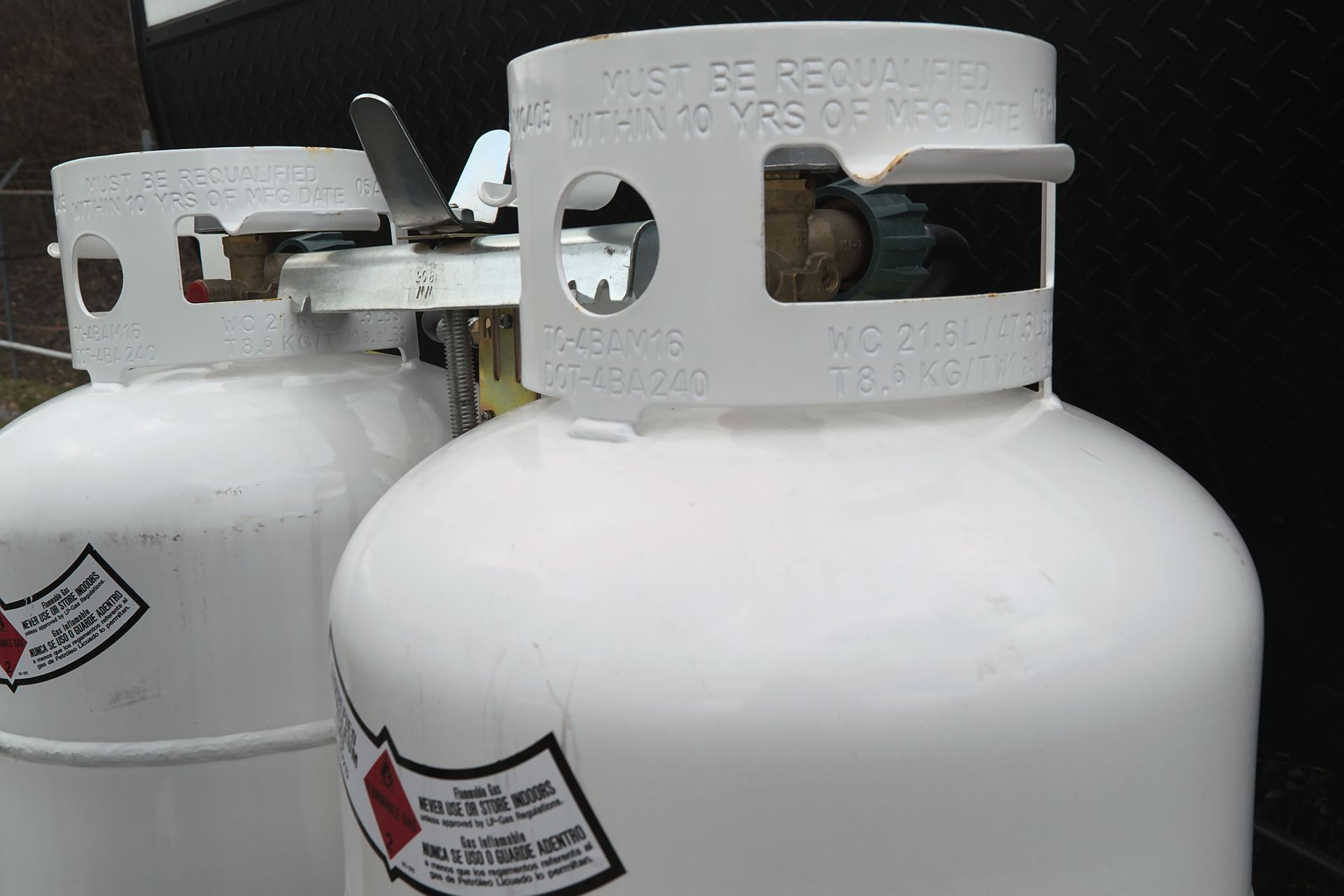
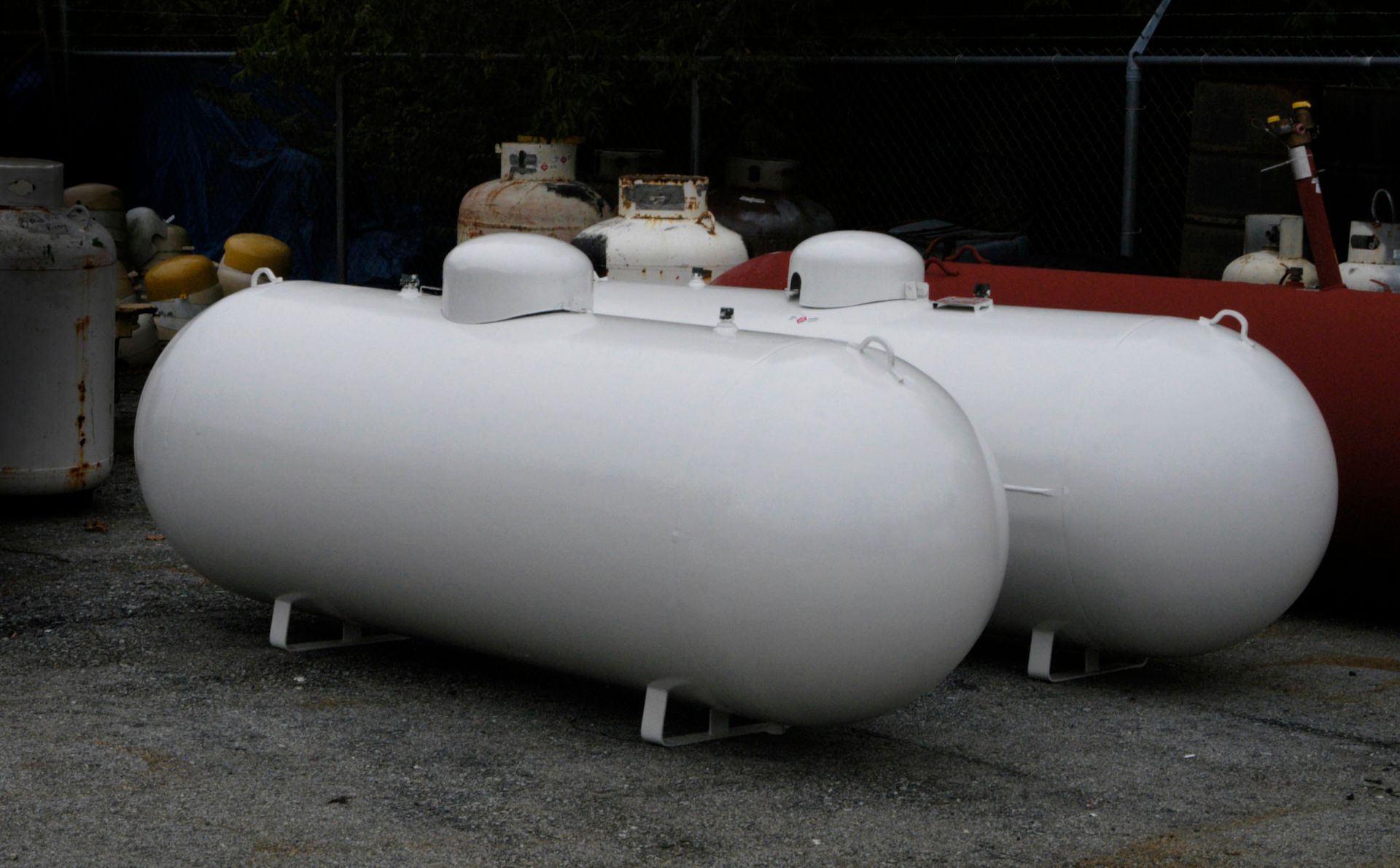
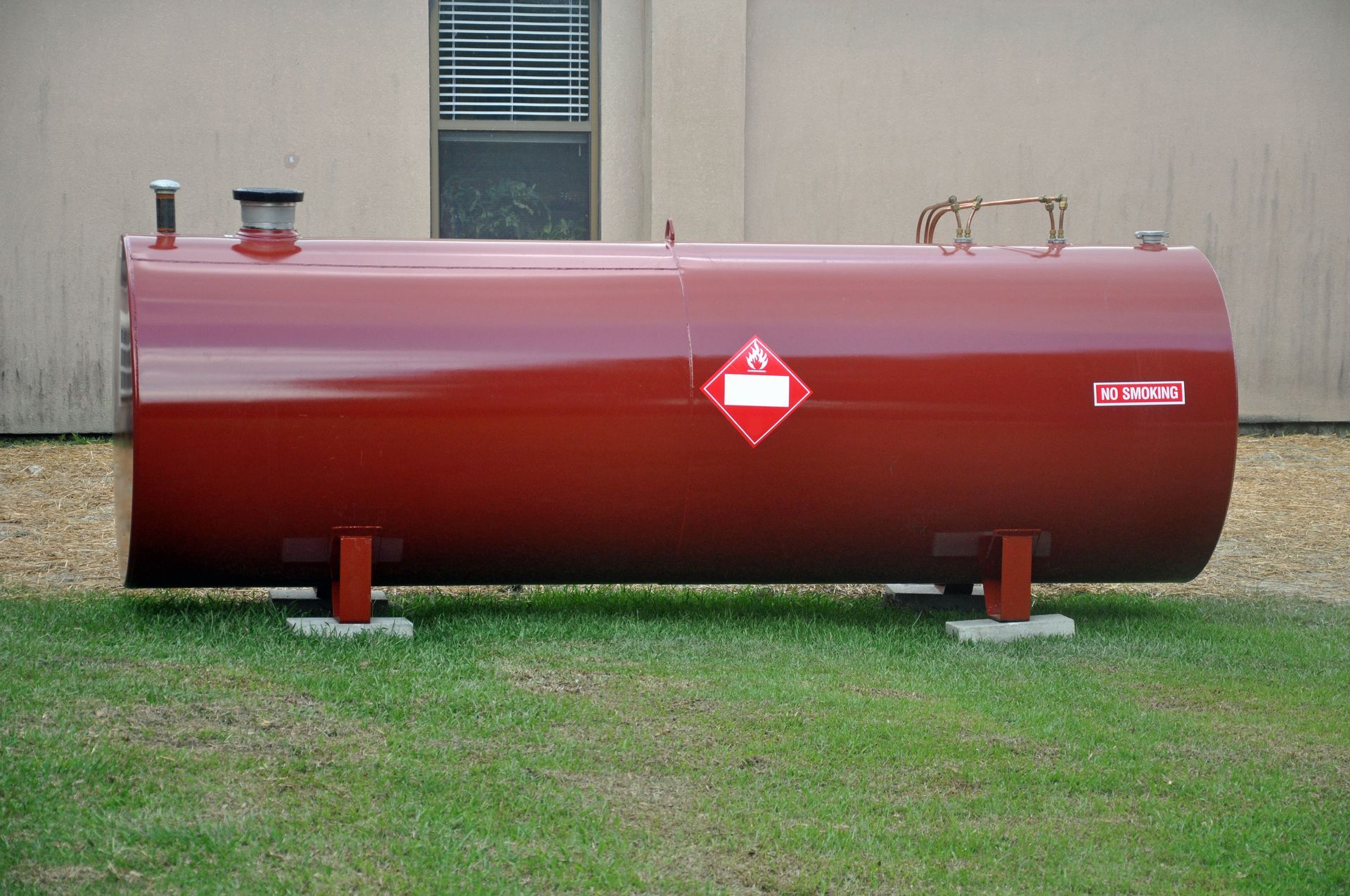
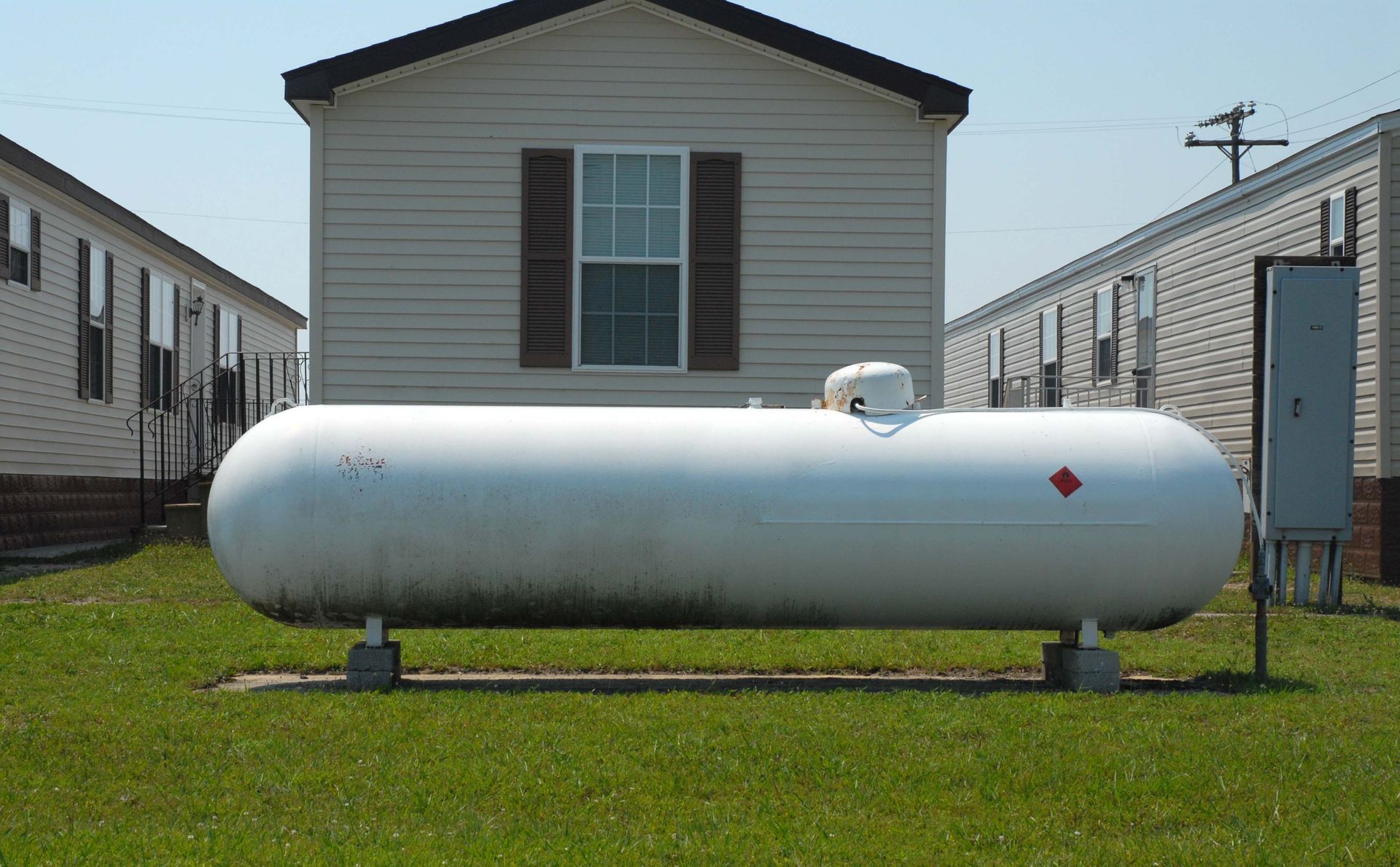
Tank capacity is another important consideration. A properly sized tank can provide an appropriate fuel reserve while reducing the frequency of propane delivery. The location of the tank also matters because accessibility can affect how easily delivery vehicles can reach the property.
Potential customers should discuss projected usage with a propane provider before selecting equipment. A supplier may be able to provide information about typical consumption patterns, delivery options, tank sizes, and seasonal considerations.
Future expansion should also be considered. If a homeowner plans to add a generator, pool heater, additional heating equipment, or other propane-powered appliances, those potential loads may influence the appropriate system size.
Supply growth can make propane an appealing option for long-term planning, but infrastructure decisions should still be based on actual property requirements. A reliable propane delivery arrangement is particularly important for customers who depend on propane as their primary heating fuel.
What Environmental Impacts Should Be Considered in Propane Usage?
Propane is a fossil fuel, so environmental considerations should remain part of any discussion about expanding propane use. Burning propane produces carbon dioxide, although propane combustion does not produce the same emissions profile as every other fossil fuel.
The environmental impact of a propane system also depends on how efficiently equipment operates and how much fuel it consumes. High-efficiency appliances can provide the desired heating or other service while using less fuel than less-efficient equipment.
Transportation and storage should also be considered. Propane must move from production facilities through distribution infrastructure before reaching customers, meaning the overall energy footprint extends beyond the point where fuel is burned.
For consumers, responsible system planning can help limit unnecessary fuel consumption. Proper equipment sizing, regular maintenance, efficient operation, and appropriate temperature settings can all contribute to more efficient propane use.
The outlook for domestic propane supply provides useful information for homeowners, businesses, and other consumers considering a propane system. Production has increased substantially in recent years, and the EIA's data show continued growth in propane output from natural gas processing.
According to the supplied EIA projection, total domestic field production of propane was expected to increase by 340 thousand barrels per day between 2021 and 2030. That projected growth illustrates the broader direction of the domestic propane market.
For consumers, increased supply could support greater market availability and potentially provide additional flexibility for propane delivery. However, individual costs and reliability will still depend on regional conditions, infrastructure, weather, demand, and supplier practices.
Anyone planning a propane system should therefore consider more than the overall supply outlook. Tank capacity, expected consumption, equipment efficiency, delivery scheduling, operating costs, and environmental considerations can all influence the long-term value of the system. Taking those factors into account can help property owners make informed decisions as the propane market continues to develop. If you're considering making the switch to propane, reach out to Mountain Country Propane today!


Share On: