
Keep Your RV Cooking With a Propane Tank
For the modern RVer, the ability to prepare a warm meal is what transforms a vehicle into a mobile home. Central to this convenience is a reliable fuel source that powers the stovetop, oven, and often the water heater. Maintaining and understanding your propane system is the best way to ensure your culinary adventures remain uninterrupted regardless of where the road leads.
Understanding the Physics of Propane Storage
To effectively manage your fuel, it is important to understand exactly what is happening inside the metal cylinder mounted to your chassis or tongue. Propane is stored as a liquid under high pressure, which allows a significant amount of energy to be packed into a relatively small space. According to University of Wisconsin at Stevens Point, when tanks or containers are filled with propane, they are pressurized to levels between 100 to 200 psi, and the increase in pressure causes propane to condense and form a liquid. This liquid then boils off into a gas as you open the valve and use your appliances, providing a steady stream of fuel for your kitchen. Because the internal pressure is so high, the integrity of the propane tank is paramount to your safety and the efficiency of your RV’s galley.
Selecting the Right Size for Your Travels
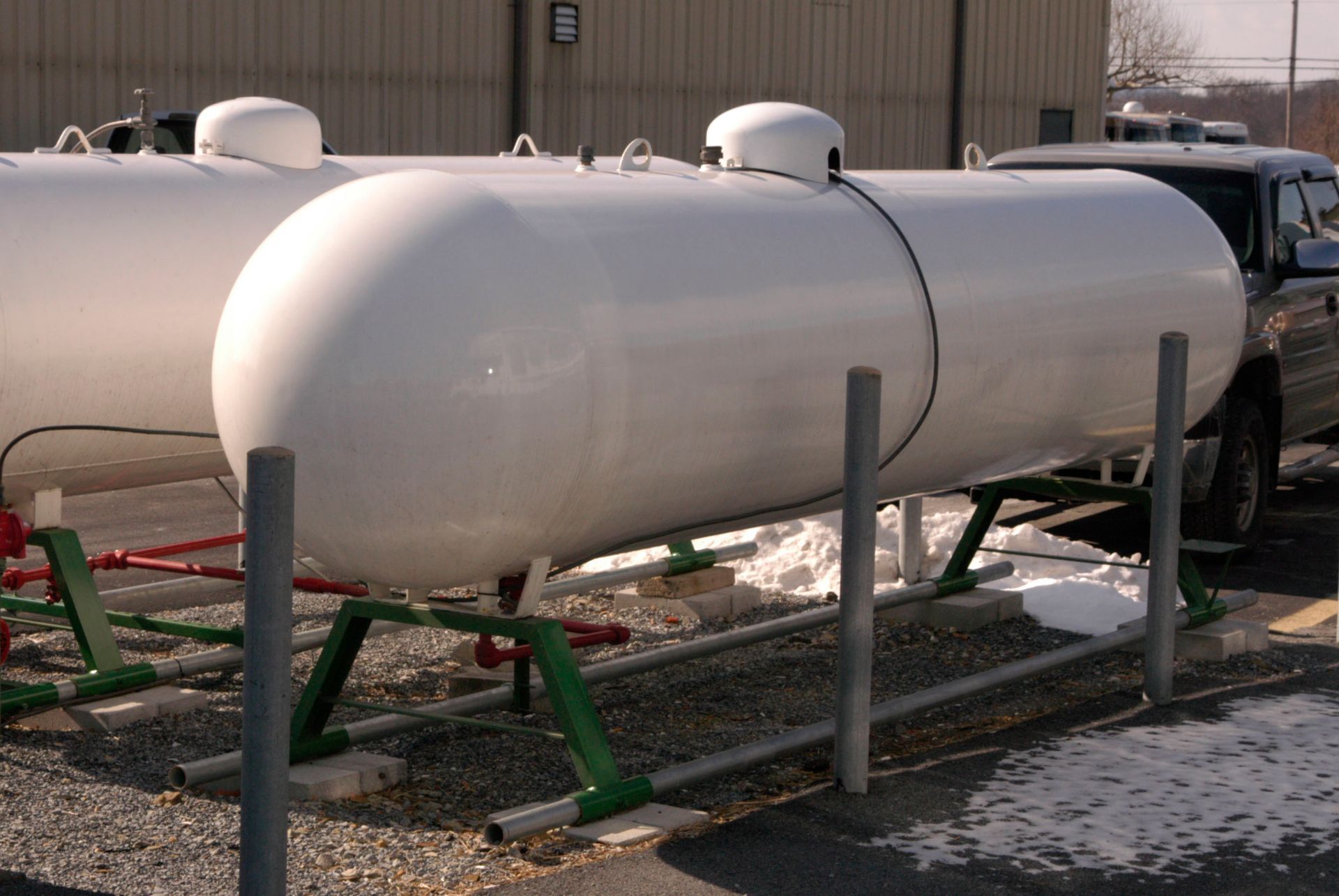
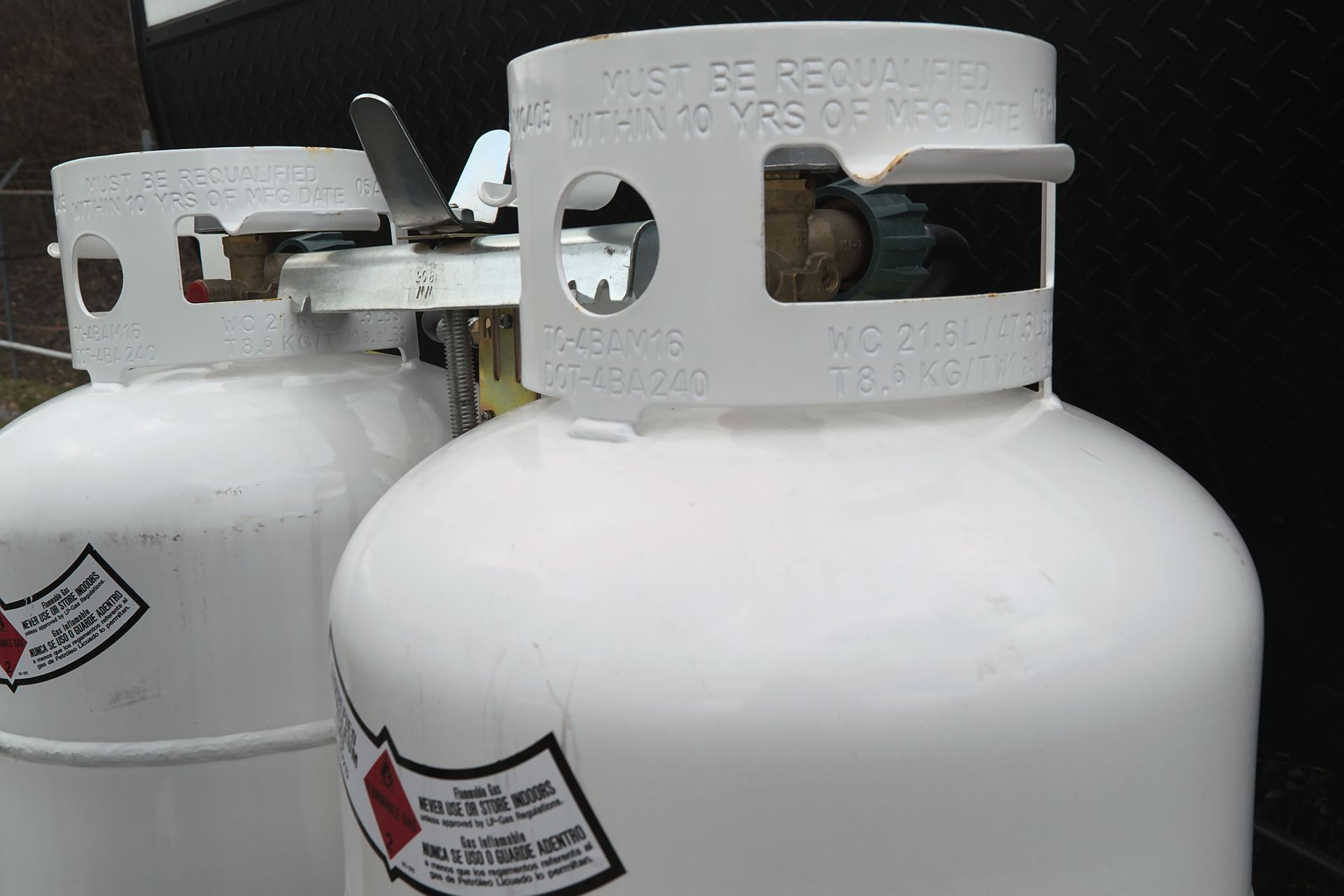
RV owners typically choose between two main types of containers: DOT cylinders and ASME tanks. DOT cylinders are the upright, portable bottles often found on travel trailers and fifth wheels, while ASME tanks are larger, horizontal vessels permanently mounted to motorhomes. Choosing the right propane tank depends heavily on your camping style, such as whether you prefer developed campgrounds with hookups or off-grid boondocking. Larger tanks provide the peace of mind needed for long-term stays in remote areas where refilling stations are scarce. Conversely, smaller portable cylinders offer the advantage of being easily swapped at hardware stores or gas stations, ensuring you never run out of heat in the middle of preparing dinner.
Monitoring Fuel Levels During the Trip
There is nothing more frustrating than having a half-cooked meal on the stove when the gas runs out. Unlike water tanks, which often have built-in electronic sensors, a propane tank requires specific tools for accurate level monitoring. External magnetic gauges or ultrasonic sensors can be attached to the side of the tank to give you a real-time reading of the remaining liquid level. Some experienced campers use the "warm water trick," where they pour hot water down the side of the tank and feel for the temperature change, as the liquid propane absorbs heat differently than the empty space above it. Digital scales are another popular option for portable cylinders, allowing you to calculate the remaining fuel based on the weight of the bottle.
Balancing Temperature Changes and Pressure
The performance of your propane system is significantly impacted by the ambient temperature outside your RV. Because propane relies on boiling from a liquid to a gas, extreme cold can slow down this process, leading to low pressure at your stove burners. In very cold climates, a propane tank may struggle to provide enough gas if the liquid cannot vaporize fast enough to meet the demand of multiple appliances. Many winter travelers use tank heaters or insulated blankets to maintain a consistent internal temperature, ensuring the pressure remains within the functional range. Understanding this relationship between heat and pressure helps you troubleshoot why your flame might be flickering on a chilly mountain morning.
Practicing Safe Refilling Procedures
Refilling your fuel supply is a task that must be handled with care and attention to detail. Always ensure that all pilot lights and appliances are turned off before pulling up to a refilling station, as even a small spark can be dangerous near displaced vapors. Federal law requires that a propane tank be inspected for a valid certification date before it can be legally filled by a technician. DOT cylinders must be recertified periodically, usually every ten or twelve years depending on the local regulations, to ensure the valves and relief devices are still operational. Overfilling is also a major concern, which is why modern tanks are equipped with Overfill Prevention Devices (OPD) to maintain the necessary "vapor space" at the top of the cylinder.
Optimizing Kitchen Appliance Efficiency
To make your fuel last as long as possible, you should focus on how you use your appliances inside the RV. Using a lid on every pot, keeping the oven door closed, and utilizing a microwave or slow cooker when connected to shore power can significantly extend the life of your gas supply. Many RVers find that their refrigerator actually uses more propane over time than the stove does, especially in hot weather when the cooling unit must work harder. Regularly cleaning the burner tubes on your stovetop ensures a clean blue flame, which is the sign of an efficient air-to-fuel ratio. If you see a yellow or orange flame, it usually indicates that the burners are clogged or the regulator needs adjustment.
Troubleshooting the Two-Stage Regulator
The regulator is the heart of your propane system, responsible for dropping the high pressure inside the tank to a safe, usable level for your appliances. Most RVs use a two-stage regulator that maintains a constant pressure of 11 inches of water column, regardless of how much gas is left in the propane tank. If you notice that your stove works fine but the furnace won’t kick on, or if the pressure seems to drop when you use two burners at once, the regulator is often the culprit. Regulators can become "oil-logged" or develop frozen diaphragms in extreme weather, requiring a full replacement to restore consistent flow. Keeping a spare regulator in your tool kit is a wise move for any long-distance traveler who wants to avoid being stranded without a kitchen.
Storing Spare Cylinders Correctly
If you carry extra fuel for a portable grill or as a backup for your main system, where you store those containers is critical. Spare cylinders should never be stored inside the living area of the RV or in an unvented basement compartment, as any small leak could lead to a buildup of flammable gas. Always secure extra bottles in an upright position in an exterior rack or a specialized vented locker designed for propane storage. This prevents the tanks from rolling around during transit, which could damage the valves or lead to a dangerous discharge from the pressure relief valve. Proper storage ensures that your backup fuel is ready to go exactly when your primary supply runs dry.
Planning for Long-Term Sustainability
Taking the time to master your propane system allows you to enjoy the freedom of the open road without sacrificing the comforts of a home-cooked meal. By performing regular inspections, monitoring your levels, and respecting the high-pressure nature of the fuel, you create a safer environment for yourself and your fellow travelers. A well-maintained gas system is the secret ingredient to a successful camping trip, providing the heat you need for everything from morning coffee to midnight snacks. With the right preparation, you can keep your kitchen firing on all cylinders throughout every season of the year.
Maintaining your RV's propane system is a fundamental skill that ensures safety and comfort during your travels. By understanding the physics of pressure and following a strict regimen of inspections, you can enjoy the reliability of your mobile kitchen in any environment. Contact Mountain Country Propane to learn more today!
Share On: