
Seasonal Propane Safety Checklist for Families
Managing household power sources demands a careful approach to guarantee comfort and safety throughout the year. Many families rely on clean-burning fuel for heating, cooking, outdoor grilling, and emergency backup power generation systems. Understanding how to handle these energy sources properly prevents unexpected accidents and ensures seamless utility performance.
Developing a comprehensive safety routine allows parents to protect their children and property from potential fuel hazards. A small portable propane cylinder requires the same careful attention and maintenance as a massive backyard storage tank. Establishing clear guidelines keeps your household secure regardless of changing weather conditions outside.
Seasonal adjustments bring unique challenges that alter how families interact with their main energy supplies. Summer heat increases tank pressures, while freezing winter temperatures can impact system performance and regulator functionality. Recognizing these environmental shifts helps homeowners prepare their appliances for optimal performance and safety.
Inspecting Storage Areas
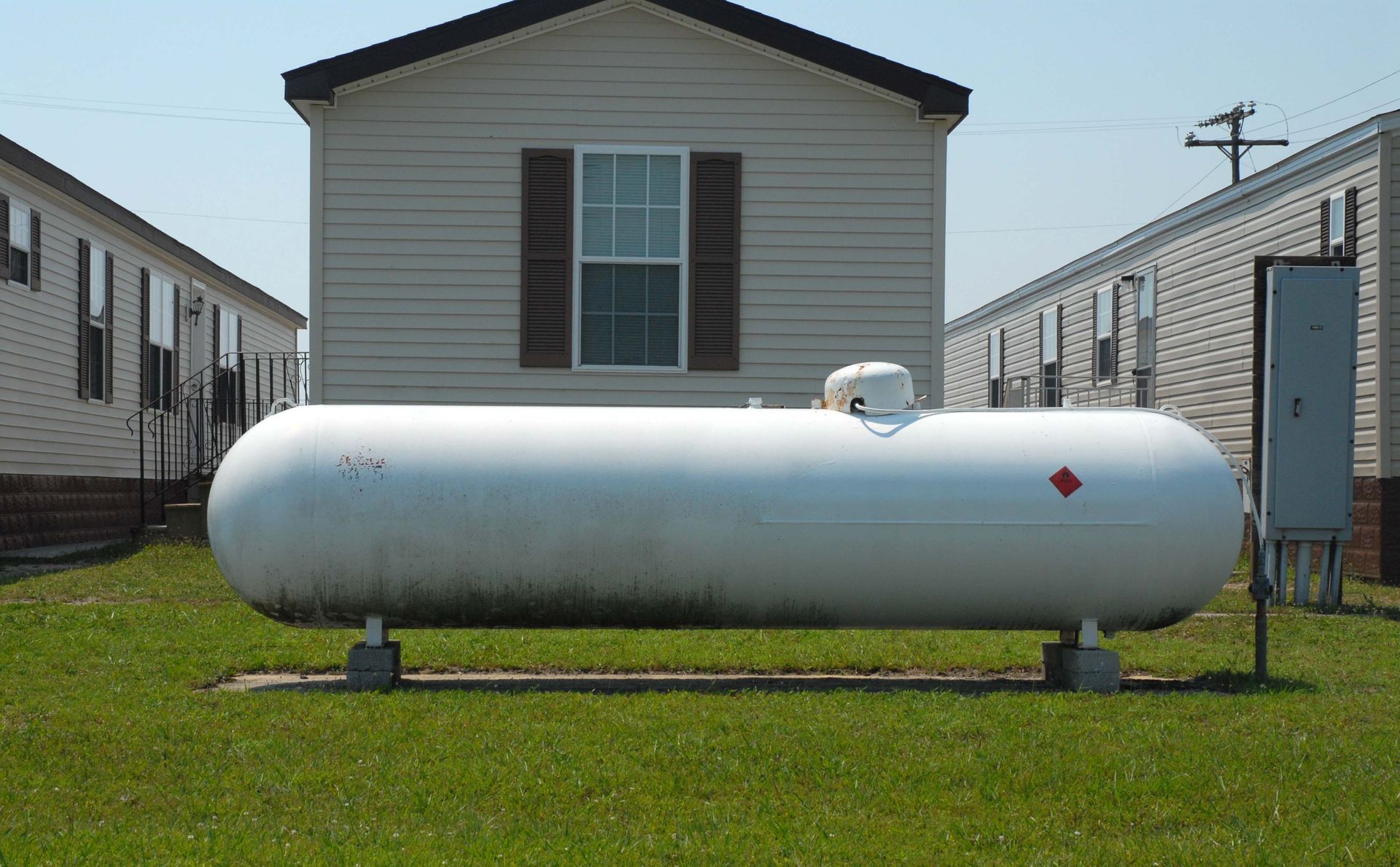
Securing the locations where you keep your fuel equipment prevents dangerous gas accumulations. You must always store any portable propane cylinder outdoors in a well-ventilated area away from direct sunlight. Never keep these tanks inside a garage, basement, carport, or enclosed backyard tool shed.
- Clear Space: Maintain plenty of clearance between your fuel tanks and any potential heat sources
- Level Ground: Ensure tanks sit upright on a flat, stable surface to prevent tipping hazards
- Debris Removal: Keep dry leaves, rags, and combustible materials away from your storage zone
Improper indoor storage allows leaking gas to gather in low-lying pockets of your home layout. Because the gas is heavier than air, it settles near floors and can ignite from minor electrical sparks. Checking your storage boundaries regularly keeps your family safe from these hidden collection hazards.
Every family member should recognize the physical boundaries of a designated safe outdoor storage zone. Keep active play areas, bicycles, and lawnmowers far away from your fuel containment space to prevent accidental impacts.
Detecting Potential Leaks
Identifying a problem before it escalates remains the best way to protect your residential property. Homeowners should master the simple soap bubble test to check connection valves for tiny gas leaks. Applying a mixture of dish soap and water to connections reveals escaping gas instantly through growing bubbles.
Learning the distinct scent of your fuel provides another crucial layer of household defense. Manufacturers add a unique chemical that smells like rotten eggs to help families notice leaks immediately. If your family detects this odor, you must evacuate the area and contact emergency professionals without delay.
Never attempt to locate a suspected leak using a match, lighter, or any open flame. Teach your children to report any strange odors near appliances or connection valves immediately. Regular testing ensures that your system components remain completely airtight and fully functional through heavy usage.
If you discover a leak during a routine bubble test, isolate the tank immediately by closing the main valve. Disconnect the appliance and seek professional assistance to repair or replace the faulty connection hardware. Taking immediate corrective action keeps a minor maintenance issue from developing into a severe household hazard.
Managing Summer Heat
Rising outdoor temperatures present specific challenges for pressurized fuel vessels located around your yard. Extreme heat causes the liquid inside a propane cylinder to expand, which naturally increases internal pressure. Built-in relief valves are designed to release small amounts of gas safely to prevent tank ruptures.
- Shade Protection: Keep portable tanks out of intense, direct sunlight during scorching midsummer afternoons
- Vehicle Safety: Never leave a filled fuel tank inside a hot car trunk or enclosed passenger cabin
- Grill Clearance: Position outdoor cooking appliances far away from vinyl siding, wooden deck railings, and overhanging tree branches
Understanding these pressure shifts helps families avoid accidental gas releases near active grilling stations. If a relief valve opens, the escaping gas can ignite if it encounters open flames or hot surfaces. Taking simple cooling precautions protects your property from these heat-induced hazards during summer celebrations.
High summer humidity can also accelerate surface rust on exposed metal valves and collar rings. Wipe down your outdoor equipment periodically to remove moisture and corrosive pollen accumulations. Maintaining a clean exterior helps preserve the structural integrity of your pressure vessels during periods of extreme heat.
Preparing Winter Systems
Freezing winter weather requires proactive maintenance to ensure uninterrupted home heating and appliance operation. Heavy snow accumulation can put dangerous physical stress on regulator vents and external piping networks. Families must gently clear frozen buildup away from their equipment using a soft broom rather than metal shovels.
According to the U.S. Department of Energy, propane accounts for about 2% of the energy used in the United States. This substantial usage highlights how many families depend on this specific fuel source during peak winter cold snaps. Ensuring your system remains clear of ice blockages guarantees reliable heat when temperatures plunge.
Clear paths to your main fuel tank also allow delivery personnel to access your property safely. Mark the location of underground or snow-covered components with bright flags to prevent accidental damage from snowplows.
Extreme cold can cause the pressure inside outdoor storage tanks to drop slightly, affecting appliance efficiency. Keeping your main tank relatively full during the winter months helps maintain adequate operating pressure throughout the system. Check your fuel levels regularly to avoid running completely empty during major winter storm systems.
Handling Portable Tanks
Transporting exchangeable fuel vessels safely requires strict adherence to specific automotive safety procedures. Always secure a propane cylinder in an upright position inside your vehicle using a heavy box or tie-down straps. Keeping the tank upright ensures the safety relief valve functions correctly if pressure changes during transit.
You should always drive directly to your destination after purchasing or exchanging a portable tank. Leaving a pressurized vessel inside a parked vehicle can lead to dangerous gas buildup if temperatures climb. Disconnect your empty tanks carefully by turning the main valve completely clockwise before removing the connection hose.
Never attempt to refill a single-use container or alter the valves on a professional tank yourself. Certified technicians possess the specialized tools and training required to fill vessels safely to correct capacity levels. Relying on professional handling protects your household from the extreme dangers of overfilled containers.
Store your transport vehicle in a well-ventilated space if you must pause briefly during your return journey. Never leave a filled vessel unattended where unauthorized individuals or curious children can access the connection valves. Responsible transport habits ensure that your fuel arrives at your home ready for safe operation.
Replacing Expired Equipment
Monitoring the physical condition and manufacturing dates of your fuel vessels prevents structural failures. Every propane cylinder features a stamped date indicating when it requires professional recertification or permanent disposal. Operating a rusted, dented, or expired tank violates safety regulations and increases your risk of experiencing a hazardous leak.
Examine the exterior metal surfaces regularly for deep pitting, severe rust, or suspicious bulges. If you notice significant physical degradation, take the vessel to a certified professional for immediate evaluation. Investing in new, certified equipment safeguards your home against the natural wear and tear of outdoor exposure. Modern tanks incorporate advanced overfill protection devices that add another vital layer of household security.
If you suspect any performance issues, a technician can evaluate your secondary propane cylinder or home utility connections immediately. Discard old tanks exclusively through authorized exchange locations or regional hazardous waste collection programs. Proper disposal methods protect local sanitation workers and ensure that old metal components are recycled safely.
Maintaining a secure, efficient power system requires dependable fuel supplies and expert technical guidance through every season. If you notice damage on your primary
propane cylinder, address it quickly to keep your household secure. Contact our friendly team at Mountain Country Propane today to schedule your comprehensive system inspection or arrange your next scheduled fuel delivery.
Share On: