
Essential Propane Safety Tips Every Homeowner Should Know
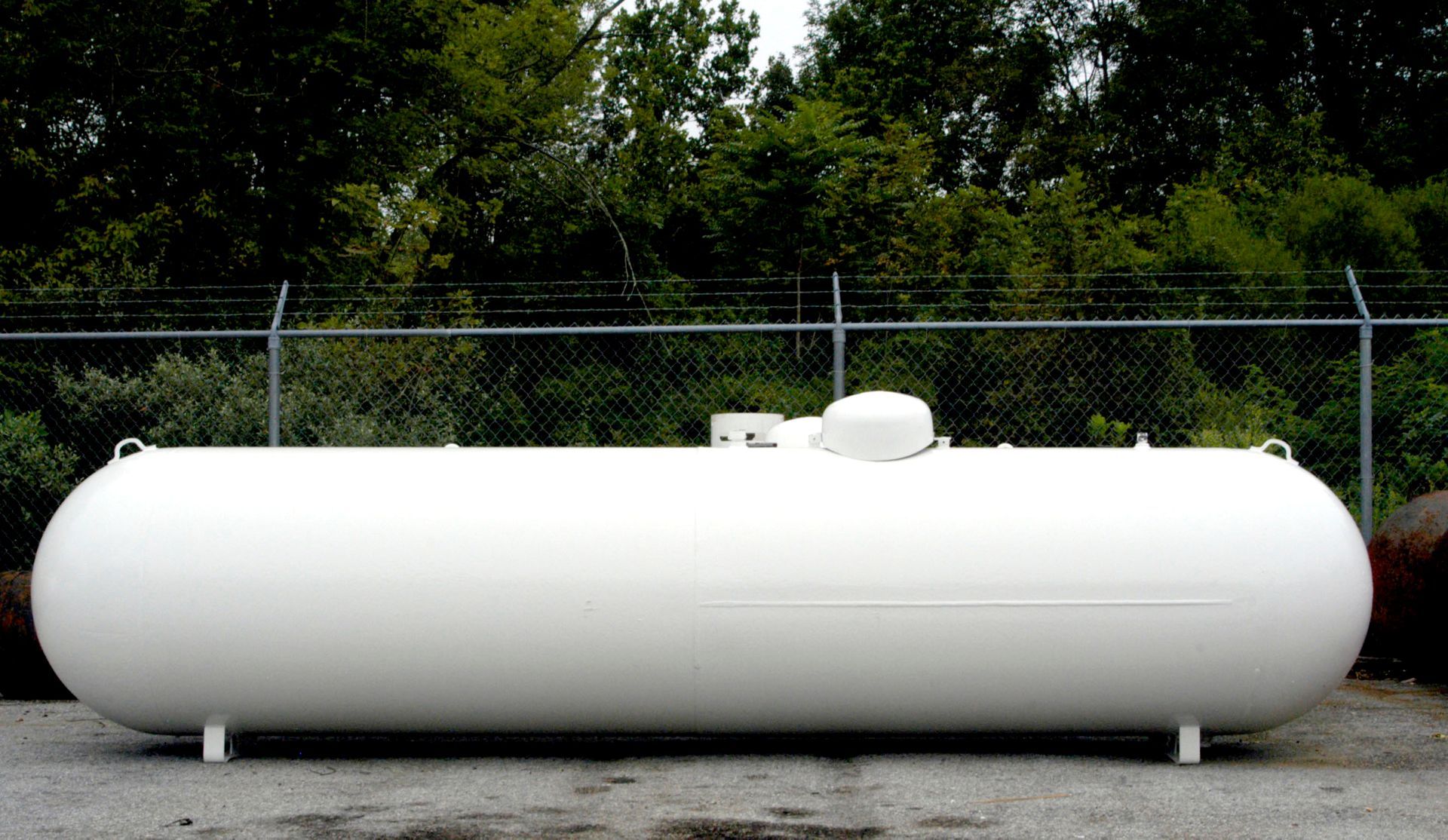
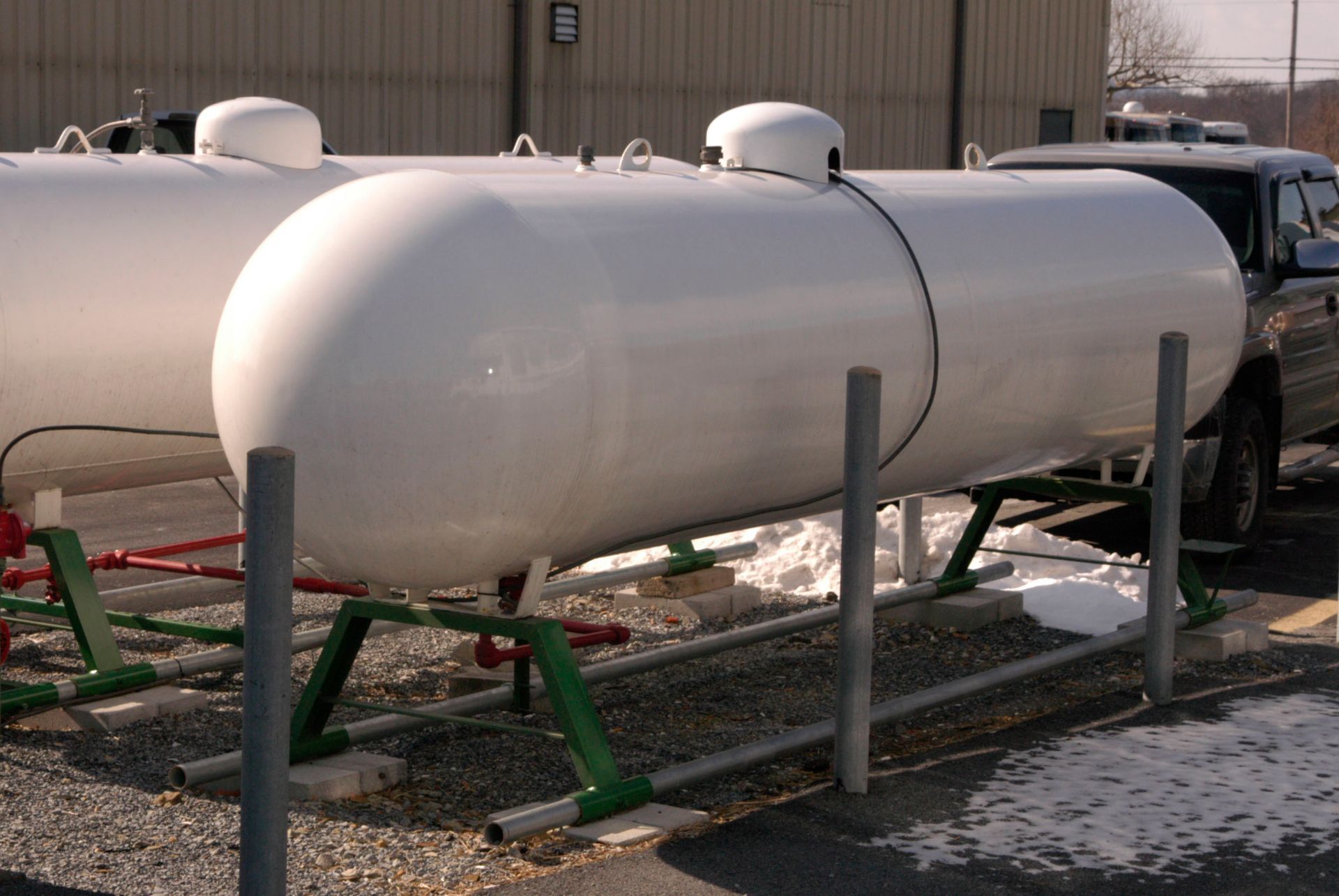
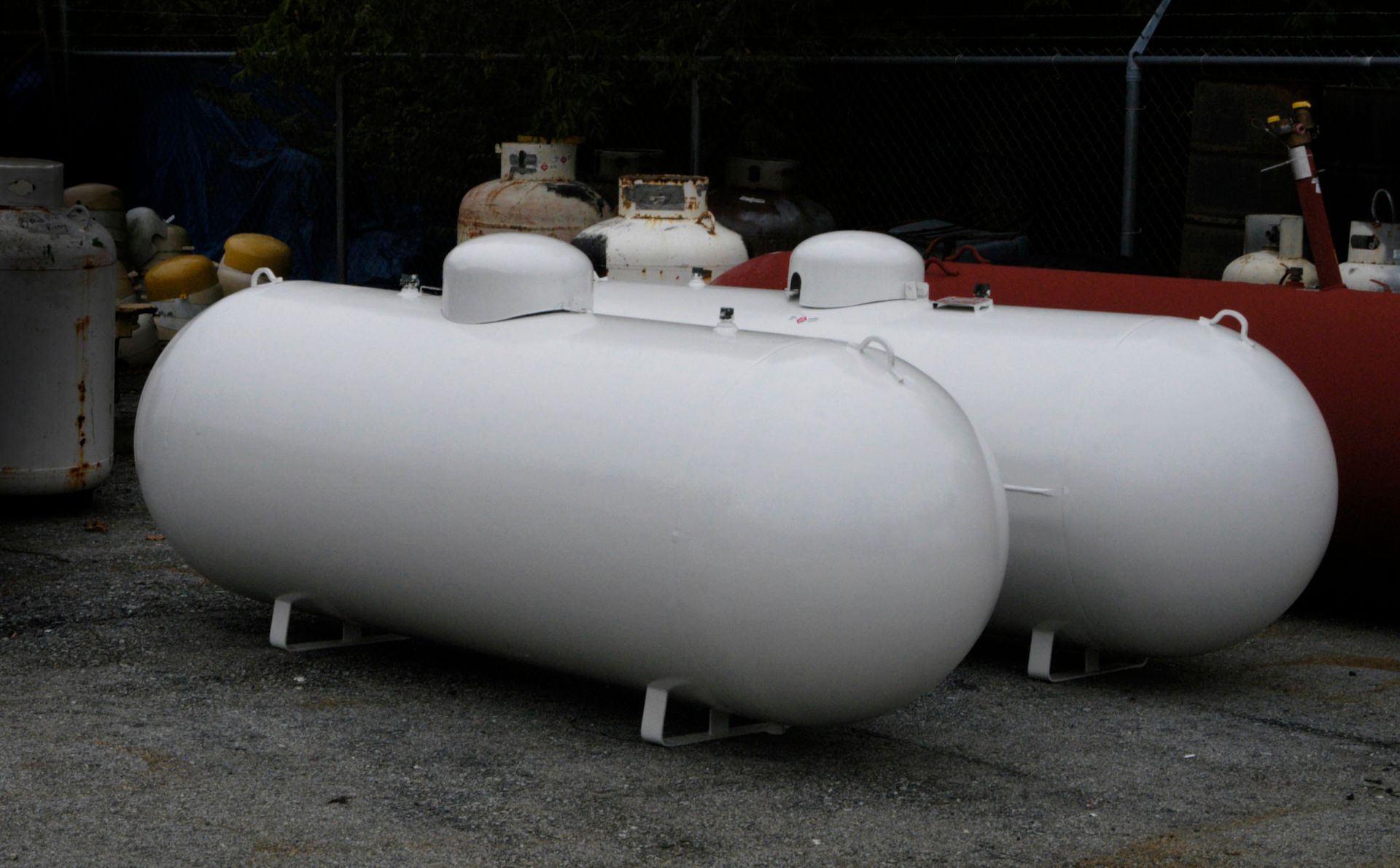
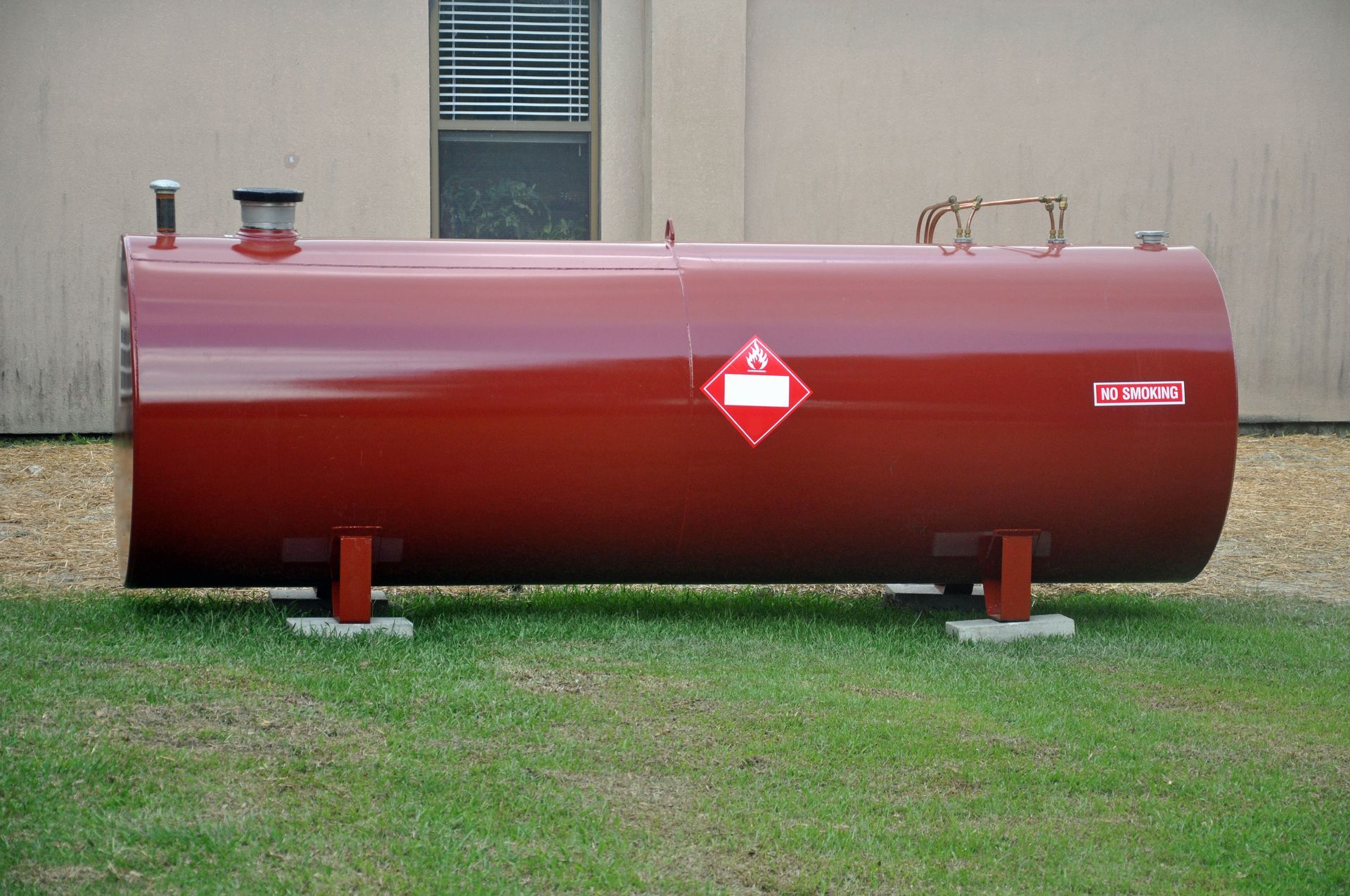
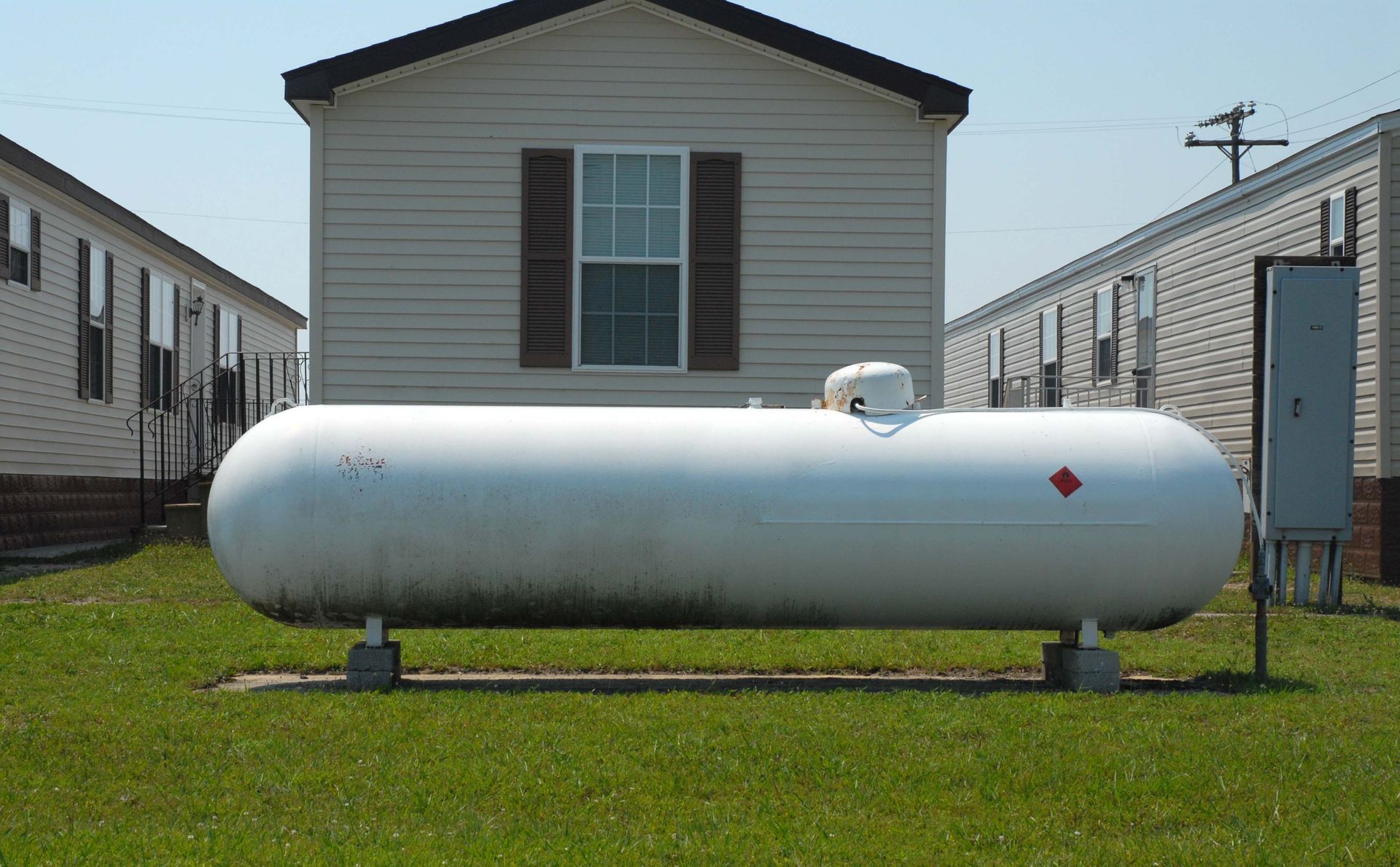
Fuel requires careful storage because it is flammable and must be kept in an appropriate container and location. Residential tanks should be installed and maintained according to applicable requirements and manufacturer specifications. Containers need adequate clearance from ignition sources, building openings, and other potential hazards. Homeowners should also make sure that tanks remain accessible to qualified service professionals when inspections, deliveries, or maintenance are necessary. Understanding proper storage supports a safer home environment. A professional fuel provider can also explain how tank location and service access affect routine deliveries. Homeowners should keep the surrounding area orderly, so qualified personnel can reach equipment without unnecessary obstacles. Propane equipment should remain protected from conditions that could interfere with safe operation.
Recognize Warning Signs of Leaks
A fuel leak requires prompt attention because escaping gas can create a serious fire or explosion hazard. Propane is naturally odorless, so an odorant is added to help people recognize a potential leak. A smell resembling rotten eggs, a hissing sound near fuel equipment, or other unusual signs should not be ignored. Homeowners should leave the area and contact the appropriate emergency or propane service professionals rather than attempting to locate or repair the leak themselves. Professional evaluation can determine the source and establish whether the system can safely return to service. Because propane can collect in enclosed areas, suspected leaks should never be treated as a minor household inconvenience. Prompt professional response is especially important when an odor is persistent or accompanied by unusual equipment behavior.
Maintain Safe Appliance Connections
Fuel-burning appliances depend on properly installed connections, regulators, valves, and supply lines. Aging or damaged components can affect appliance operation and may create conditions that require professional attention. Homeowners should have qualified technicians inspect equipment when there are signs of deterioration, unusual operation, or other concerns. Appliances should also be operated according to their manufacturer's instructions. Professional maintenance helps verify that connections and safety components remain appropriate for the equipment being used.
Protect Tanks From Physical Damage
Fuel tanks can be vulnerable to impacts from vehicles, lawn equipment, falling objects, or other activity around a property. Their location should provide appropriate protection while maintaining the clearances required for safe operation and professional access. Homeowners should communicate with qualified professionals before changing the placement or surroundings of a tank. Keeping heavy equipment, vehicles, and other potential hazards away from the tank area can reduce the likelihood of accidental damage. A professional can evaluate whether a tank's location remains suitable when property conditions change.
Support Safe Outdoor Grilling
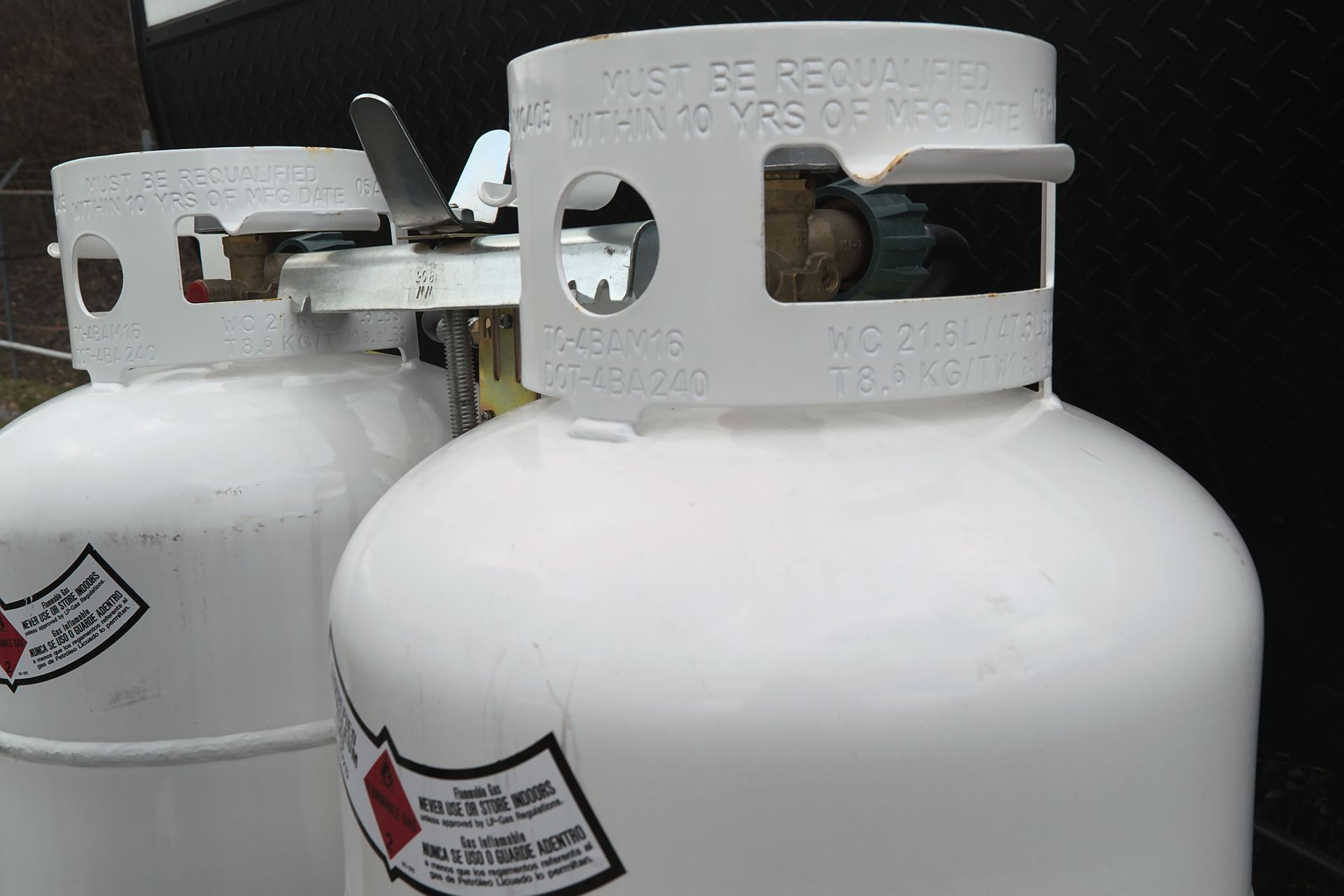
According to the University of Wisconsin-Stevens Point, 47 million households use propane to fuel an outdoor gas grill. This widespread use makes grill safety an important consideration for homeowners. Outdoor appliances should be positioned and operated according to manufacturer instructions, with adequate separation from combustible materials and structures. Grills should remain outdoors and should never be used inside a home, garage, enclosed porch, or other enclosed area. Professional service should be obtained when a grill or its fuel connection shows signs of damage or malfunction.
Monitor Indoor Ventilation Needs
Fuel-powered appliances that operate indoors require appropriate ventilation and combustion air. Poor ventilation can contribute to unsafe combustion conditions and may increase the risk of carbon monoxide accumulation. Fuel-burning appliances should be installed and serviced by qualified professionals who can evaluate venting, combustion air, and equipment condition. Carbon monoxide detectors should also be installed and maintained according to applicable guidance. Homeowners should treat alarms, unusual appliance behavior, or combustion concerns as reasons to seek professional evaluation.
Schedule Professional System Inspections
Routine professional inspections can help identify conditions that may not be obvious during everyday use. Technicians can evaluate tanks, regulators, valves, piping, appliance connections, and other relevant components according to the property's system. Regular service is particularly important when equipment is aging, a property has changed ownership, or an appliance has developed unusual operating characteristics. Professional inspections can also provide an opportunity to discuss maintenance schedules and equipment replacement considerations. Consistent service helps homeowners stay informed about the condition of their fuel system. A service professional can also review whether propane equipment remains suitable for the home's current use. This is particularly relevant after remodeling or adding fuel-burning appliances.
Prepare for Seasonal Fuel Demands
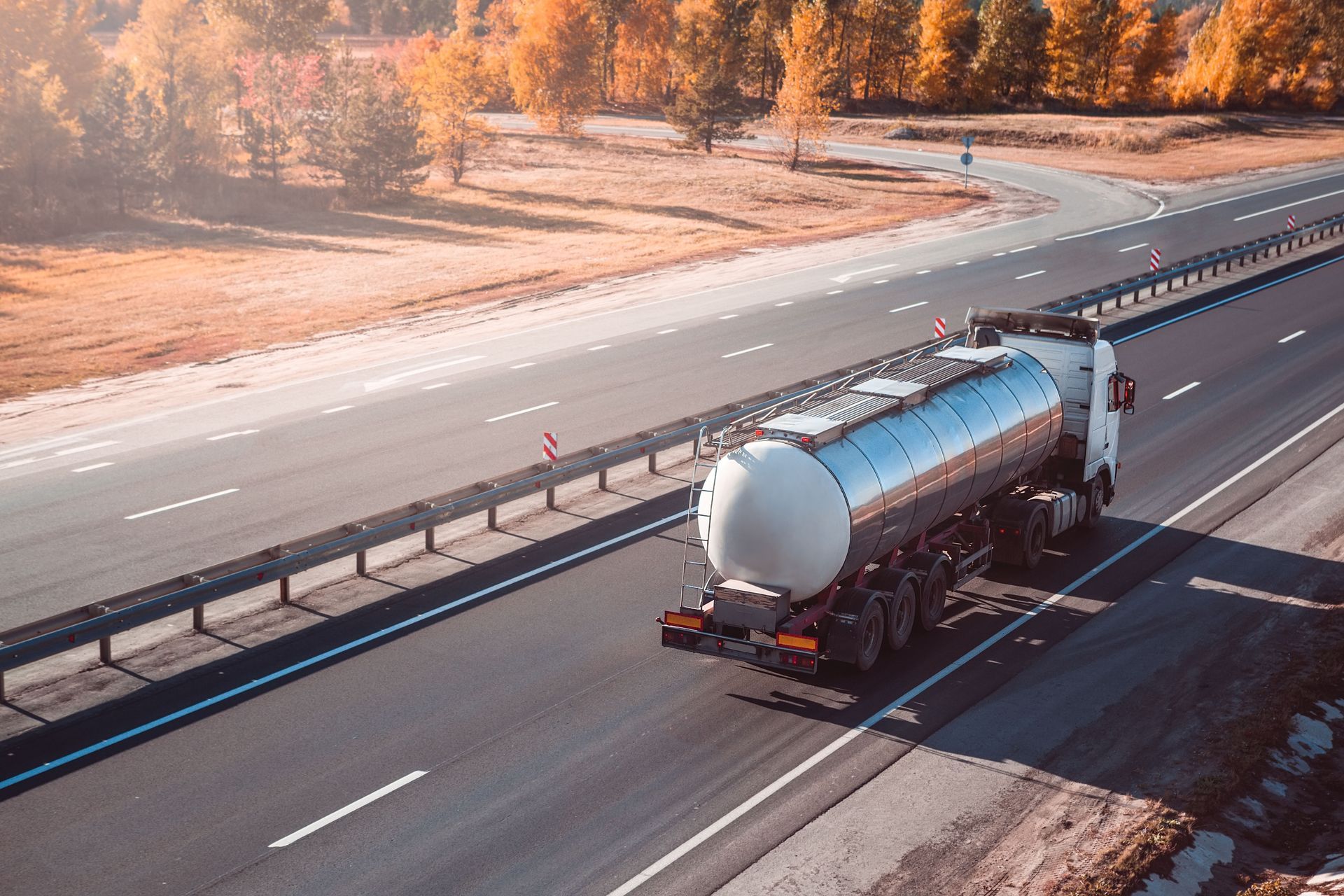
Fuel use can change significantly with the seasons, particularly in homes that rely on fuel for heating, water heating, or cooking. Cold-weather demand can increase consumption and make timely fuel delivery especially important. Homeowners should monitor their supply and maintain communication with their fuel provider about delivery arrangements and seasonal needs. Equipment should also receive professional attention before periods of heavy use when service is due. Planning ahead can help reduce interruptions and give technicians an opportunity to address concerns before peak demand.
Respond Correctly to Emergencies
A suspected fuel emergency should be treated seriously and handled according to established safety procedures. If a strong gas odor or other serious warning sign is present, occupants should leave the area and avoid actions that could create an ignition source. Emergency services and the appropriate propane professionals should be contacted from a safe location. Homeowners should not attempt to repair equipment, restart appliances, or investigate a suspected leak themselves. Qualified professionals can determine when the area and equipment are safe for further use. Homeowners should follow the emergency guidance provided by their fuel supplier and local emergency authorities. Never reenter an area where propane may have accumulated until qualified personnel have determined that it is safe.
Keep Safety Information Accessible
Important fuel-system information should be available to homeowners and other people responsible for the property. Records can include equipment documentation, professional service information, emergency contact details, and manufacturer instructions. Everyone in the household should know how to recognize the odor associated with a possible gas leak and understand that suspected leaks require immediate attention. Children should not be allowed to operate fuel appliances or interfere with tanks and equipment. Clear household communication helps safety concerns receive prompt attention.
Consider Equipment Age and Condition
Fuel-burning equipment can require additional professional attention as it ages. Corrosion, worn components, outdated controls, and repeated performance issues may indicate that a system needs inspection or replacement planning. Homeowners should not assume that an older appliance is safe simply because it continues to operate. A qualified technician can assess equipment condition and explain whether maintenance, repair, or replacement should be considered. Addressing aging equipment proactively can help homeowners plan for service before a significant failure occurs.
Coordinate Fuel Service With Home Needs
A household's fuel requirements depend on the equipment installed, property size, seasonal conditions, and patterns of use. Homeowners can benefit from discussing these factors with a professional fuel provider, especially when adding appliances, changing heating systems, or renovating a property. Professional guidance can help determine whether existing equipment and delivery arrangements are appropriate for the home's current needs. Changes to fuel systems should be evaluated by qualified professionals rather than handled as informal household projects. Coordinating service with actual household requirements can support more predictable fuel management. Changes involving propane appliances, tanks, or supply lines should be reviewed with qualified professionals before work is scheduled. Professional planning can account for equipment compatibility, household demand, and service access.
Mountain Country Propane can help homeowners manage their residential fuel needs with professional service and safety-focused support. We can assist with fuel delivery, equipment considerations, system service, and other fuel-related needs while keeping the characteristics of your home in mind. Our team can also help you understand when professional inspection or service may be appropriate for your equipment. We can explain
propane service considerations clearly. Contact Mountain Country Propane to discuss your household's fuel needs and learn more about maintaining a safe, dependable fuel system.

Share On: